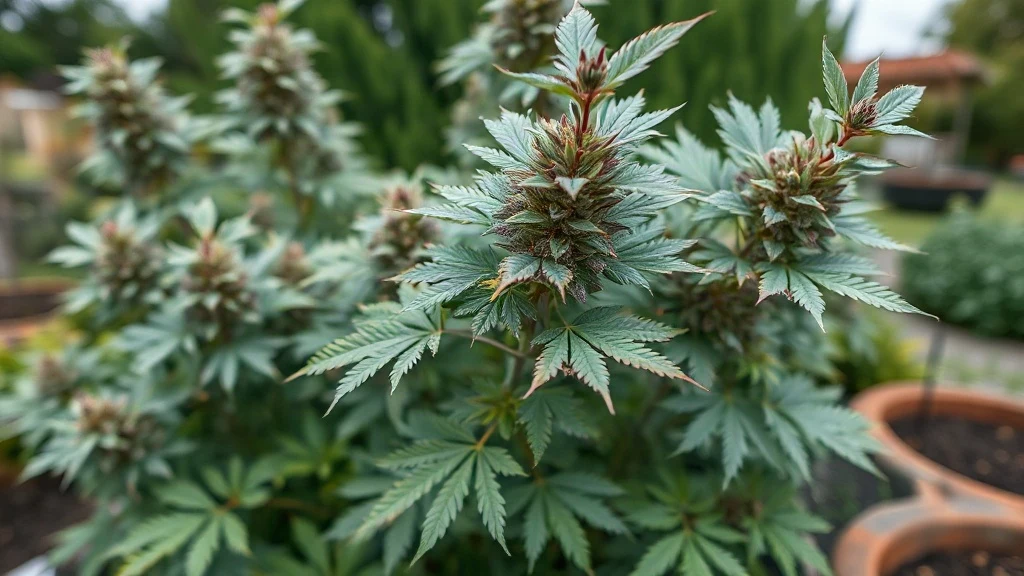
Watering Shoal Creek Chaste Tree: Establishment to Maturity
How often you water Shoal Creek Chaste Tree depends almost entirely on how long it has been in the ground. A newly planted tree needs consistent moisture to develop roots. A mature Vitex, by contrast, becomes highly drought tolerant and actually prefers drier conditions once established. This guide walks you through the transition from establishment to independence, with clear milestones and troubleshooting steps.
Materials and Equipment You'll Need
- Soaker hose or drip irrigation line (optional but recommended for young plants)
- Mulch, 2-3 inches deep (bark, wood chips, or aged compost)
- Watering can or garden hose with adjustable nozzle
- Soil moisture meter or a simple finger-depth test
- Landscape fabric or weed barrier (optional, for moisture retention)
- Shovel or spade for amending planting holes
Phase 1: Establishment Watering (Year 1)
The first growing season is when Shoal Creek Chaste Tree needs the most attentive watering schedule. At this stage, the root system is small and cannot yet draw from deep soil reserves. Your job is to keep the soil consistently moist (but not saturated) in the root zone.
Step 1: Plant in Well-Drained Soil
Before you water, ensure the planting hole drains well. Shoal Creek Chaste Tree is intolerant of soggy or waterlogged sites, so dig a hole 1.5 times as wide as the root ball and backfill with the native soil amended lightly with compost or aged bark. Do not amend heavily, which can trap water around roots and cause root rot. The goal is friable, well-draining soil that retains some moisture without pooling.
Step 2: Water Immediately After Planting
Water deeply (2 to 3 inches of water, or until water drains from the drainage holes in the planting area) immediately after you backfill the planting hole. This settles the soil and eliminates air pockets. Wait for the water to drain completely before moving to the regular schedule.
Step 3: Water Regularly for the First 8 to 12 Weeks
From spring planting onward, water every 2 to 3 days if the weather is warm or dry. Use the finger test: push your finger 2 inches into the soil at the base of the tree. If the soil feels dry, water. If it feels moist, wait another day. In cooler spring weather, you may water less frequently. The goal is to keep the soil moist, not wet.
Apply water slowly at the base of the tree, not overhead. This reduces evaporation losses and keeps foliage dry, which helps prevent leaf-spot diseases. A soaker hose or drip line set to run for 20 to 30 minutes will deliver 1 to 1.5 inches of water per session, depending on water pressure and hose length.
Step 4: Apply Mulch
Once the soil has settled (after about 1 week), apply 2 to 3 inches of mulch around the base of the tree, keeping it 3 to 4 inches away from the trunk. Mulch moderates soil temperature, reduces evaporation, and suppresses weeds that compete for moisture. Refresh mulch annually as it breaks down.
Step 5: Taper Watering as Growth Appears
By mid-summer of year 1, if the tree is actively growing (new foliage, new branches), you can begin extending the interval between waterings to every 3 to 4 days. The root system is expanding, and the plant is becoming more self-sufficient. Continue to monitor soil moisture and adjust based on rainfall and temperature.
Phase 2: Transition to Maturity (Years 2 to 3)
By year 2, Shoal Creek Chaste Tree's root system has expanded considerably. You can begin to reduce watering frequency and rely more on natural rainfall and stored soil moisture.
Step 6: Water When the Top 3 to 4 Inches of Soil Are Dry
Move from a fixed schedule to a moisture-based one. Check soil moisture weekly or after hot spells. Water thoroughly (1 to 1.5 inches per session) only when the top 3 to 4 inches of soil are dry to the touch. In many climates, this means watering once weekly during the growing season, or less if rain is regular.
Step 7: Reduce Supplemental Water in Late Summer
Beginning in late July or August, taper watering even during dry spells. Reduced water stress in late summer can actually strengthen the plant and reduce tender new growth that may be damaged by early fall frosts, particularly in zones 5 and 6 where Shoal Creek Chaste Tree is at the cooler edge of its range.
Step 8: Cease Watering Before Dormancy
Stop supplemental watering by early fall once leaves begin to yellow and drop naturally. The tree is entering dormancy and does not need or benefit from artificial moisture at this point. Fall rains typically provide enough water to prepare the tree for winter.
Phase 3: Mature Plant Watering (Year 3 and Beyond)
Once Shoal Creek Chaste Tree reaches roughly 3 to 5 years of age and its mature size of 10 to 15 feet, it becomes a low-maintenance plant with respect to watering. Vitex agnus-castus is naturally drought tolerant once established.
Step 9: Rely on Rainfall
For mature trees in most climates, natural rainfall is usually sufficient once the plant is fully established. Water only during extended droughts (more than 3 to 4 weeks without rain) or extreme heat. When you do water, water deeply and thoroughly (1.5 to 2 inches) rather than frequent shallow sessions. Deep watering encourages deep root growth and further strengthens drought resilience.
Step 10: Monitor for Stress Signs
Mature Shoal Creek Chaste Tree may begin to show signs of water stress only in severe or prolonged drought. If foliage begins to wilt or gray-green leaves show a slightly bluish cast (indicating stress), provide a deep watering. Recovery typically occurs within 1 to 2 weeks of adequate moisture.
Recognizing Overwatering and Underwatering
Signs of Overwatering
- Leaves yellow and drop prematurely (often by mid-summer)
- Soil remains wet or muddy more than 24 hours after watering
- Foul or sulfurous smell from the soil, indicating root rot
- Stems or base of trunk show soft, mushy spots
- Reduced flowering or no blooms, even on an otherwise healthy plant
If you observe these signs, stop watering immediately and allow soil to dry out. If the tree is in a poorly draining location, consider moving it (in early spring or fall) to a site with better drainage, or amending the soil with sand and organic matter to improve percolation.
Signs of Underwatering
- Foliage wilts midday but recovers by evening (in young plants)
- Leaves curl inward or show a dull, grayish cast
- Slow or stunted growth relative to typical 2-3 feet per year
- Reduced flowering or smaller flower panicles (in mature plants)
Underwatering in year 1 or 2 can delay establishment and flowering. If you notice these signs during the growing season, increase watering frequency and check that mulch is in place to reduce evaporation.
Common Mistakes and How to Avoid Them
| Mistake | Why It Happens | How to Prevent It |
|---|---|---|
| Watering on a fixed schedule year-round | Routine is easy to follow, but ignores seasonal needs | Adjust frequency based on rainfall, temperature, and soil moisture tests |
| Shallow, frequent watering | Seems easier than deep watering, but keeps roots near the surface | Water deeply (1.5 inches or more) but less often; let soil dry slightly between sessions |
| Watering newly planted trees too much in fall | Desire to help the plant before winter | Taper watering by late August; let fall rains do the work |
| Overhead watering | Convenient with a sprinkler system or hose nozzle | Use soaker hose, drip irrigation, or direct the hose nozzle at soil level to wet roots and keep foliage dry |
| Ignoring drainage at planting | Planting in clay or compacted soil | Amend the planting hole lightly and choose a site that does not pool water after rain |
Special Circumstances
Container-Grown Plants
If your Shoal Creek Chaste Tree is in a pot (common for quart or #1 container plants before transplanting), it will dry out much faster than in-ground plants. Check soil moisture daily during the growing season and water whenever the top 1 inch of potting mix is dry. Container soil should never be waterlogged; ensure the pot has drainage holes. Plan to transplant to the landscape within 1 to 2 years to give the plant room to reach its mature 10 to 15 foot size.
Coastal or Salt-Exposed Sites
Shoal Creek Chaste Tree has moderate salt tolerance. If you are planting near the coast or in areas with salt-laden winds, water more frequently in the establishment phase to help leach salt from the root zone. Once established, the plant typically thrives with minimal supplemental water in these environments.
Zones 5 and 6
At the cooler edge of its hardiness range, Shoal Creek Chaste Tree may experience winter dieback. To maximize winter survival, avoid encouraging tender late-season growth by tapering water in late summer and early fall. The stronger, more mature the plant is at the onset of winter, the better it tolerates cold.
Quick Reference: Watering Schedule by Plant Age
| Phase | Plant Age | Watering Frequency | Target Soil Moisture | Key Action |
|---|---|---|---|---|
| Establishment | Year 1 | Every 2-3 days (weeks 1-8), then every 3-4 days | Consistently moist, not saturated | Apply 2-3 inches of mulch; finger test soil daily |
| Transition | Years 2-3 | Once weekly during growing season; taper in late summer | Dry to 3-4 inches depth, then water deeply | Stop watering before dormancy; rely on rainfall |
| Mature | Year 3+ (3-5 years to full size) | During drought only (no rain for 3-4 weeks) | Naturally dry most of the time | Water deeply (1.5-2 inches) only in severe drought |
Watering and Flowering
Consistent watering during year 1 and early year 2 supports vigorous growth, which in turn supports flowering. Shoal Creek Chaste Tree often blooms in its first year from a nursery cutting, producing lavender-blue flower panicles from late spring into summer. Once established, moderate drought stress does not harm flowering and may actually encourage more abundant blooms. If you notice that a mature plant is not flowering as expected, check our article on why your Shoal Creek Chaste Tree is not blooming, which covers other factors such as light and pruning.
For more comprehensive care guidance, including soil, sunlight, pruning, and seasonal maintenance, see the complete growing guide for Shoal Creek Chaste Tree.