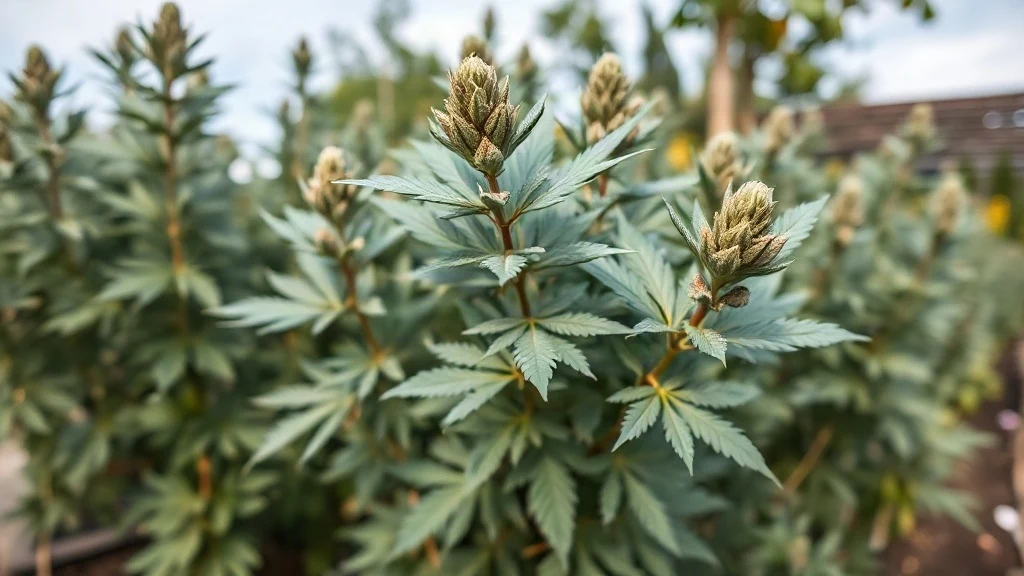
Winter Care for Shoal Creek Chaste Tree in Cold Climates
The Shoal Creek Chaste Tree is a strong performer in zones 6 through 9, but winter in zone 6 and the upper end of its range demands attention. In these colder regions, your chaste tree may experience significant dieback or go completely dormant, dying back to the ground before regrowing in spring. Understanding what to expect and how to prepare will help your plant survive winter and return even stronger.
Understanding Winter Hardiness and Dieback
Shoal Creek Chaste Tree (Vitex agnus-castus 'Shoal Creek') is root-hardy into zone 5 according to some reports, though the exact cold-hardiness limit and degree of winter dieback in zone 5-6 winters varies by source and local microclimate. In zone 6, your plant may experience winter dieback where the above-ground growth is killed back, but the root system survives below the soil line. This is not a failure, it is a survival strategy the plant uses in colder climates.
In zones 7-9, winter dieback is less common, and your tree may retain most or all of its structure year-round. Regardless of your zone, late season freeze-thaw cycles and extreme cold snaps pose real risks, especially to young plants that have not yet fully established their root systems.
What You Will Need
Before winter arrives, gather these materials:
- Mulch (3 to 4 inches deep, bark chips or shredded hardwood)
- Garden pruners or sharp pruning saw
- Burlap or frost cloth (for young or exposed plants)
- Pruning paint or wound sealant (optional but recommended)
- Garden stakes and twine (for staking young plants in windy sites)
How to Prepare Your Chaste Tree for Winter
Step 1: Assess Your Plant's Age and Location
A newly planted chaste tree is far more vulnerable to winter damage than an established one. Trees planted in the current year or the year before have not had time to develop a deep, extensive root system. Check your records: if your tree has been in the ground for fewer than three growing seasons, it will need extra protection.
Also evaluate your planting location. Does the site get afternoon sun exposure? Afternoon sun can cause temperature fluctuations in late winter (warm days, freezing nights) that damage dormant wood. Does the site trap cold air at the bottom of a slope? These microclimates make winter injury more likely.
Step 2: Apply Winter Mulch in Early Fall
As temperatures drop in late October or early November (before the first hard freeze), apply 3 to 4 inches of mulch around the base of your tree. Spread it in a ring starting 4 to 6 inches away from the trunk and extending out to the drip line (the outer edge of the canopy).
This mulch layer insulates the root system and buffers temperature swings. Do not pile mulch directly against the trunk, as this can trap moisture and encourage rot or pest damage.
Step 3: Stake Young Plants if Needed
Trees less than three years old, especially those in windy locations, benefit from staking. Harsh winter winds can rock young plants and damage the root system before it is fully established. Use soft twine or tree straps to secure your tree to a stake driven firmly into the ground, 18 to 24 inches away from the trunk. Loosen the tie slightly as the tree grows so it is not girdled.
Step 4: Wrap Exposed Plants in Frost Cloth
In zone 6 or when your weather forecast shows extended sub-freezing temperatures, consider wrapping young or exposed plants with burlap or horticultural frost cloth. Wrap from the ground up to the lowest branches, leaving the top slightly open to allow air circulation. Wrap loosely so the plant does not overheat during unexpected warm spells.
Remove the wrapping once temperatures stabilize in spring to prevent the plant from overheating and to allow new growth to emerge normally.
Step 5: Water Deeply Before the Ground Freezes
A moist root system survives winter stress better than a dry one. In fall, water your tree deeply (at least 1 inch, reaching the root zone) if rainfall has been light. This is true even for drought tolerant plants: winter dehydration of the roots is a real risk, especially in zone 6.
Do not fertilize in late fall, as this can stimulate tender new growth that winter will kill back.
Managing Winter Dieback and Recovery
What Happens Above Ground
In zone 6, it is common for your chaste tree to die back to the ground or lose all visible woody growth by late winter. This is not a sign of failure. The root system remains alive and will push new growth in spring. Some years, only the bottom few inches of stem survive; other winters, the plant dies back completely.
This dieback behavior is predictable enough that experienced growers in colder zones sometimes treat their chaste tree more like a perennial shrub than a permanent tree form.
Spring Assessment in Late March or April
Wait until late March or early April before assessing winter damage. Scratch the outer bark of a branch with a knife. If the tissue beneath is green, that branch is alive. If it is brown throughout, it is dead.
Do not immediately prune dead wood. You may discover new growth emerging from branches that appeared completely dead. Leave assessment and pruning until after the last frost date in your area, typically in mid-April for most of zone 6.
Spring Pruning After Winter
Step 1: Remove Clearly Dead Wood
Once you confirm that wood is dead (green underneath the bark or green buds), remove it. Cut just above a live branch or bud, angling the cut away from the new growth. There is no need to seal minor pruning cuts with wound sealant, though it does no harm if you prefer to use it.
Step 2: Prune the Entire Plant for Shape and Vigor
Shoal Creek Chaste Tree blooms on new wood, so pruning in late winter or early spring (before new growth emerges) is essential for flowering. Even if the plant survived winter relatively intact, prune it hard. Remove up to one-third of the overall plant height to encourage a fuller, more vigorous flush of growth and a denser bloom display.
If your plant died back significantly or completely, pruning is simple: cut back to the lowest live wood (usually at ground level) and let new growth fill in. This reshapes the plant and often produces a sturdier, more compact form than the one that died back.
Step 3: Resume Normal Care in Spring
Once new growth appears and nighttime temperatures stay consistently above freezing, apply a balanced spring fertilizer. Resume regular watering during dry spells. The plant will grow quickly (roughly 2 to 3 feet per year until mature) and reach blooming size within one to two seasons.
Common Mistakes to Avoid
Pruning too early in fall. Fall pruning stimulates tender new growth that will not harden off before winter. Prune only in late winter or early spring.
Over-watering in late fall. Wet soil promotes soft growth and ice damage. Water if rainfall is scarce, but err on the side of drier soil as winter approaches.
Leaving mulch piled against the trunk. This traps moisture and invites pest and disease damage. Keep a 4 to 6-inch gap between the mulch and the trunk.
Assuming dieback means death. Extensive winter dieback is normal in zone 6. The roots are alive. Be patient and let spring growth emerge before giving up on the plant.
Fertilizing in late fall. Late-season fertilizer encourages weak new growth that winter kills. Wait until the soil is warm in spring.
Expected Outcomes
In zones 7-9, your Shoal Creek Chaste Tree should retain most of its structure through winter, losing only the tips of the most exposed branches to light frost. A spring prune to remove dead wood and shape the plant will restore it for the growing season.
In zone 6, expect variable results year to year. Some mild winters may bring minimal dieback. Hard winters can kill the plant back to ground level. Over time (3 to 5 years after planting), the tree becomes hardier as its root system deepens and expands. Even substantial winter dieback is survivable, and the plant will regrow and flower again.
In zone 5, winter survival is less certain. Some sources report that the root system survives and the plant regrows, while others indicate this is at the very edge of the plant's range. Check with your local extension service for the most specific guidance for your location and microclimate.
Winter Care Quick Reference
| Task | Timing | Priority |
|---|---|---|
| Apply mulch | Early November | High |
| Stake young trees | October-November | Medium |
| Water deeply | October-November | High |
| Wrap frost cloth (zone 6) | Before hard freeze | Medium |
| Stop fertilizing | September | High |
| Assess damage | Late March-April | High |
| Prune dead wood | Late March-April | High |
| Hard spring prune | Late March-April | High |
| Resume fertilizing | April onward | Medium |
For more on year-round care and the complete growing cycle of your Shoal Creek Chaste Tree, see the complete growing guide.