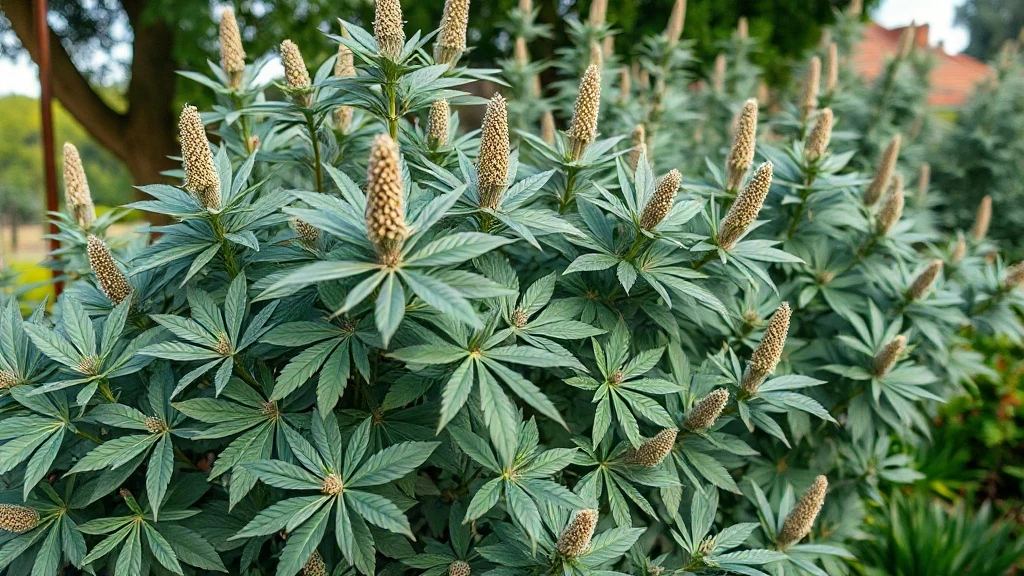
Shoal Creek Chaste Tree Hardiness Zones: Where It Thrives
Shoal Creek Chaste Tree (Vitex agnus-castus 'Shoal Creek') is rated hardy in USDA zones 6 through 9, making it suitable for most of the continental United States. However, cold hardiness performance varies within that range, and understanding where your location falls helps you choose the right planting strategy and manage expectations for winter survival. This guide answers the most common questions about Shoal Creek Chaste Tree zones, regional growing conditions, and what to expect in different climates.
Basic Zone Information
What hardiness zones does Shoal Creek Chaste Tree grow in?
Shoal Creek Chaste Tree thrives in USDA hardiness zones 6 through 9, where winter minimum temperatures align with the plant's cold tolerance. In these zones, the plant will reliably return each spring and grow at its full mature size of 10 to 15 feet tall and wide. This range covers much of the southern and central United States, including parts of the Great Plains, Mid-Atlantic, and Southeast.
Can I grow Shoal Creek Chaste Tree in zone 5?
Yes, but with a key difference: the plant is root-hardy into zone 5 and will resprout from the ground after winter dieback. The aboveground stems may die back entirely during harsh zone 5 winters, but the root system usually survives. You can expect the plant to emerge as a smaller, multi-stemmed shrub each spring rather than maintaining its full tree form. This recovery pattern is predictable and the plant will eventually reach a manageable size, though it takes longer than in warmer zones.
Is there a difference between "hardy" and "root-hardy"?
Hardy means the entire plant survives winter cold intact and regrows normally each spring. Root-hardy means the roots survive, but the visible stems may die back to the ground during severe winters. For Shoal Creek Chaste Tree in zone 5, you gain the benefit of the root system's persistence and recovery, but the yearly growth cycle is interrupted and the plant will be smaller and bushier than in zones 6 and warmer.
What is the warmest zone where Shoal Creek Chaste Tree grows?
Shoal Creek Chaste Tree performs well through zone 9, where it may occasionally reach heights of 20 feet in ideal conditions. In zone 10 and warmer, the plant is rarely tested because the climate removes the main environmental stress that makes the cultivar notable for hardiness. Most gardeners in zones 9 and south find it to be a reliable performer without special winter protection.
Zone 5 and Cold Hardiness Details
If I live in zone 5, will my Shoal Creek Chaste Tree survive?
Your plant will likely survive, but with conditions attached. The root system is cold-hardy into zone 5, and the plant will resprout from the ground each spring if temperatures do not dip far below the minimum for that zone. During an especially severe winter (much colder than typical for zone 5), the roots may be damaged. In normal zone 5 winters, plan on the stems dying back and the plant emerging as a shorter, multi-stemmed shrub rather than a single tree form.
What happens to my Shoal Creek Chaste Tree if winter is very cold?
Winter dieback and cold damage are common problems in the cooler parts of the plant's range, including zone 5 and the northern edge of zone 6. If temperatures fall significantly below the zone minimum, or if a hard freeze arrives before the plant hardens off in fall, the aboveground portion will die back to the ground. In most cases, the roots survive and the plant regrows in spring, but if the root system is damaged by extreme cold, the entire plant may be lost.
Should I protect my Shoal Creek Chaste Tree from winter cold?
In zones 6 to 9, winter protection is generally not necessary; the plant is hardy enough to survive without intervention. In zone 5, or in the northern parts of zone 6, you may extend survival odds by mulching heavily around the base in fall to insulate the root zone. Avoid pruning in fall, which stimulates tender new growth; instead, prune in late winter or early spring after the worst cold has passed.
How does Shoal Creek Chaste Tree compare to the species form in cold hardiness?
The 'Shoal Creek' cultivar is specifically selected for hardiness and reliability, making it a better choice than the species (plain Vitex agnus-castus) in cooler zones. While both have the same USDA zone rating, 'Shoal Creek' was identified and propagated because of its proven performance in colder conditions. If you live in zone 5 or zone 6, choose 'Shoal Creek' over the species for better odds of consistent survival and recovery.
Zone-Specific Growing Expectations
What should I expect from Shoal Creek Chaste Tree in zone 6?
Zone 6 is the northern limit of regular aboveground survival. Your plant will likely grow year after year without significant dieback, though a particularly harsh winter may cause partial stem damage that you can prune away in spring. Expect mature size to reach 10 to 15 feet, with rapid growth of roughly 2 to 3 feet per year until the plant reaches full size. Blooming will be consistent and abundant, occurring from late spring into summer (typically May through September).
What should I expect from Shoal Creek Chaste Tree in zone 7 or 8?
Zone 7 and 8 are ideal for Shoal Creek Chaste Tree. The plant will grow reliably without winter stress, reaching its full 10 to 15 foot size. Winter dormancy is normal, but no dieback or cold damage is expected in typical years. You'll enjoy abundant lavender-blue flower panicles from late spring through summer, and the plant will require minimal winter protection or special management beyond the annual late-winter pruning for size control.
What should I expect from Shoal Creek Chaste Tree in zone 9?
In zone 9, Shoal Creek Chaste Tree is a dependable performer that may occasionally exceed the typical 10 to 15 foot height and reach closer to 20 feet in ideal growing conditions. The plant is fully adapted to the climate and requires no special cold-hardiness considerations. Winter dormancy is brief and the foliage disappears for only a short period. This is one of the best zones for establishing large, specimen-sized plants without the cold-hardy concerns that apply in zone 6.
How does elevation affect Shoal Creek Chaste Tree cold hardiness?
Elevation can push you into a colder microclimate than your official zone suggests. High-elevation gardens in zone 8 may experience zone 7 or zone 6 winter lows, increasing the risk of dieback. If you garden at significant elevation, assume your effective hardiness zone is one level colder than the USDA map shows and plan accordingly, using mulch, wind breaks, and late-spring pruning to minimize cold damage.
Winter Damage and Recovery
My Shoal Creek Chaste Tree died back completely. Is it really dead?
Not necessarily. Dieback to the ground does not mean the plant is dead if the roots survived the winter. Wait until late spring to assess; in zones 5 and 6, or after an unusual cold snap, the plant often regrows from the root system as fresh green shoots emerge from the soil line. If you see no growth by late May or early June, it is safe to assume the roots were also killed and the plant is unlikely to recover.
How long does recovery take if my Shoal Creek Chaste Tree dies back?
Recovery is typically fast. Once the plant regrows from the roots in spring, it grows at its normal rate of roughly 2 to 3 feet per year until it reaches a mature size again. Flowering may be delayed or reduced in the first recovery year, but by the second year after dieback, the plant usually resumes normal blooming and growth. The timeline depends on how far north you are: zone 5 plants recover more slowly than zone 6 plants.
Should I cut back dead stems after winter?
Yes. Once you confirm that stems are dead and new growth has begun from the base or roots, remove the dead wood. Prune the dead stems back to the ground or to living wood, which cleans up the plant's appearance and allows the new growth to dominate. This cleanup is best done in late winter or early spring before the main growth flush, following the same pruning guidelines for spring renewal.
Does winter damage affect the next year's blooming?
Dieback or minor winter damage does delay blooming because the plant must first regrow stems before it produces flowers. Since Shoal Creek Chaste Tree blooms on new wood, any growth lost to cold must be replaced before flowers can appear. In recovery years, expect blooming to start later in the season or be less abundant than a plant that suffered no damage, but flowering will resume the following year at full strength.
Planting Timing and Season
What is the best time to plant Shoal Creek Chaste Tree in zone 5 or 6?
Spring planting is strongly preferred in zone 5 and northern zone 6 so roots establish before winter arrives. Fall planting gives the young plant too little time to settle in before cold stress arrives. Aim for planting in early to mid-spring, allowing at least 4 to 5 months of growing season for the root system to develop before the first hard freeze. This extra root establishment reduces the risk of severe winter damage or death.
Can I plant Shoal Creek Chaste Tree in fall in warmer zones?
Yes. In zones 7, 8, and 9, fall planting is acceptable and often beneficial because the plant has time to establish roots during cool weather while the soil is still warm. Spring planting also works well in these zones. Choose either season based on your nursery's availability and your own schedule; the plant is hardy enough that the timing is less critical than it is in colder zones.
Growth Rate and Zone Variability
Does Shoal Creek Chaste Tree grow faster in warmer zones?
Yes. The plant grows at roughly 2 to 3 feet per year in all zones where it survives, but warmer zones (8 and 9) allow for consistent, uninterrupted growth each year. In zone 5, where dieback is common, the annual growth is interrupted by winter recovery, so the plant takes longer to reach mature size. Zone 6 and 7 plants grow steadily, though they may experience occasional setbacks during severe winters.
Will my Shoal Creek Chaste Tree reach its full 10 to 15 foot size in zone 6?
Yes, it can, but it will take several years and consistent protection from severe winter weather. In a typical zone 6 winter, the plant grows without major dieback and gradually reaches full size over 3 to 5 years. However, if your garden experiences an unusually cold winter during that growth period, the plant may set back and require additional years to recover. Plan for slower development in zone 6 compared to zones 7 and 8.
Comparing Zones and Making a Choice
I'm in zone 5. Should I still try to grow Shoal Creek Chaste Tree?
Many zone 5 gardeners successfully grow Shoal Creek Chaste Tree as a perennial shrub with annual dieback, accepting that it will regrow from the roots each spring rather than persist as a tree. If you enjoy the flowers and are willing to manage the plant's recovery cycle, it is worth trying. For the best results, follow complete care guidelines for site selection, watering, and seasonal pruning. Choose a sheltered location with good drainage and full sun to maximize survival odds.
Why is zone 6 a turning point for Shoal Creek Chaste Tree?
Zone 6 represents the threshold where Shoal Creek Chaste Tree transitions from consistent aboveground survival to occasional winter dieback. This is because the typical zone 6 winter minimum temperature aligns with the plant's cold tolerance limit. Gardeners in zone 6 may experience years of perfect survival followed by a cold winter that causes damage. This variability is why zone 6 is listed as hardy but still warrants conservative planning and good cultural practices.
Are there other factors besides zone number that affect hardiness?
Yes. Microclimate, soil drainage, and plant maturity all influence cold survival. Well-drained soil protects roots from damage better than soggy, waterlogged soil. A sheltered location with windbreak and afternoon shade reduces stress during cold snaps. Mature, established plants are more resilient than young, newly planted specimens. These factors mean that two zone 6 gardens can have very different results depending on site conditions and management.
Container Growing and Zone Concerns
Can I grow Shoal Creek Chaste Tree in a container in zone 5?
Container growth is possible while the plant is young and small, but hardiness is a concern. Potted plants are exposed to colder temperatures than in-ground plants, since the roots have no soil insulation beyond the pot sides. For zone 5 container gardeners, bring the plant indoors to an unheated garage or cold frame for winter, or consider moving it only to zones 6 and warmer where in-ground planting is more reliable and rewarding.
At what size should I move my Shoal Creek Chaste Tree into the ground?
Transplant to the ground once the plant outgrows its container or reaches a size where year-round potting becomes impractical (typically after 2 to 3 years). Nursery-grown plants are usually sold in quart, #1, or #3 containers, and small specimens can spend a year or two in pots before being planted in the landscape. In zones 6 and warmer, this transition is straightforward; in zone 5, plan the transition for spring so the new planting has the whole growing season to establish.
Quick Reference Table
| Zone | Winter Survival | Typical Dieback | Mature Height | Planting Timing | Key Consideration |
|---|---|---|---|---|---|
| 5 | Root-hardy | Annual stems die back | Shorter shrub form | Spring only | Mulch in fall; expect regrowth cycle |
| 6 | Hardy (with occasional dieback) | Rare in typical winters | 10-15 ft | Spring preferred | Shelter from wind; good drainage |
| 7 | Hardy | None expected | 10-15 ft | Spring or fall | Reliable performer; minimal risk |
| 8 | Hardy | None expected | 10-15 ft | Spring or fall | Excellent choice; fast establishment |
| 9 | Hardy | None expected | 10-20 ft | Spring or fall | May exceed typical max size |