
Shoal Creek Chaste Tree Care: The Complete Growing Guide
Key Takeaways
- Plant in full sun (6+ hours) and well-drained soil for best blooms and form
- Mature size is 10-15 feet tall and wide; grows 2-3 feet per year until mature
- Hardy in USDA zones 6-9; root-hardy into zone 5 with possible dieback
- Prune hard in late winter/early spring before new growth; blooms on new wood
- Deadhead spent flowers through May-September to trigger rebloom flushes
- Drought-tolerant once established; requires regular water while young
- Low maintenance, deer resistant, and a strong pollinator plant
Table of Contents
- Getting to Know Shoal Creek Chaste Tree
- Planting and Site Selection
- Watering and Soil Requirements
- Pruning and Seasonal Maintenance
- Encouraging Blooms and Reblooming
- Managing Pests and Common Problems
- Companion Planting and Landscape Uses
- Quick Reference Checklist
Getting to Know Shoal Creek Chaste Tree
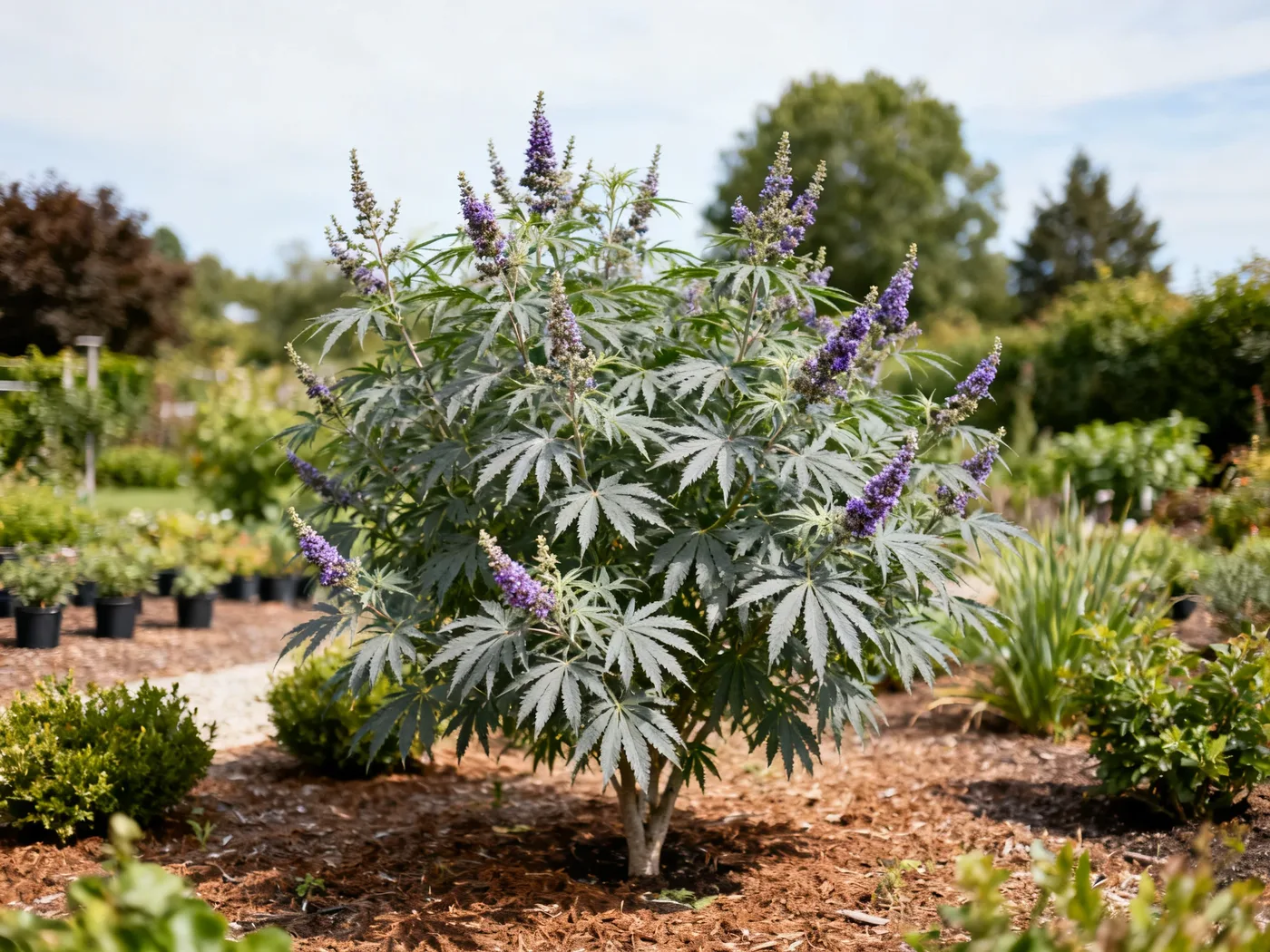
Shoal Creek Chaste Tree (Vitex agnus-castus 'Shoal Creek') is a deciduous large shrub or small ornamental tree prized for its striking lavender-blue flowers and aromatic gray-green foliage. Common names include Shoal Creek Vitex, Chastetree, Monk's Pepper, and Lilac Chastetree. This US-selected cultivar produces notably larger flower panicles than the species form, delivering high-impact summer color to any landscape.
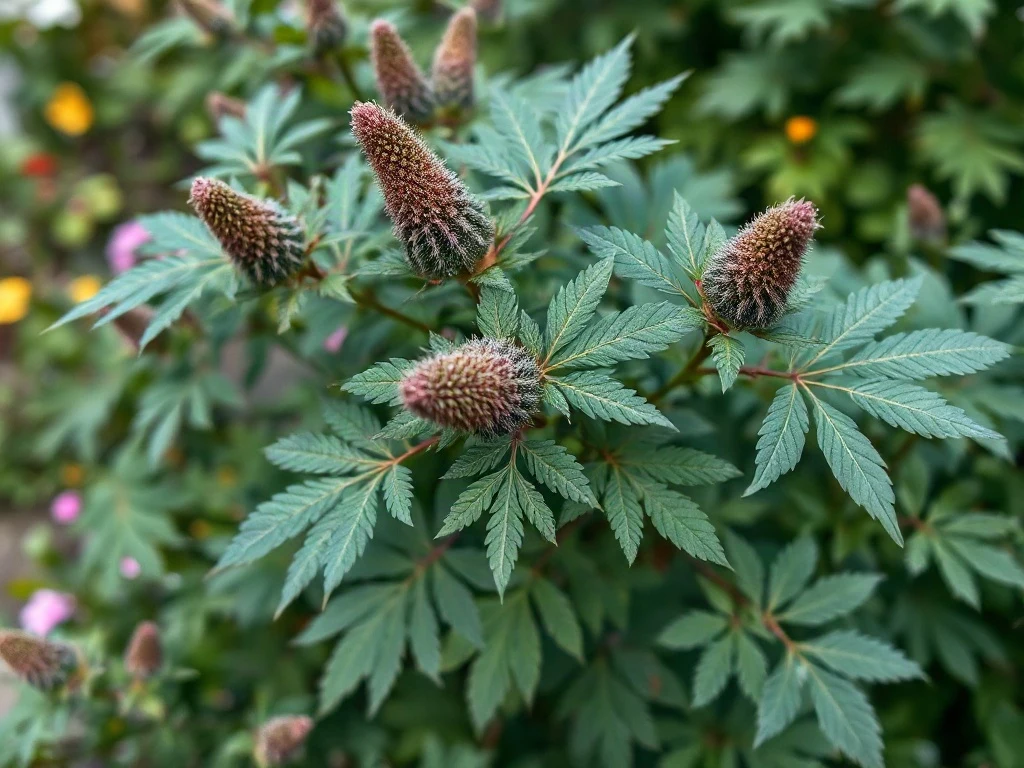
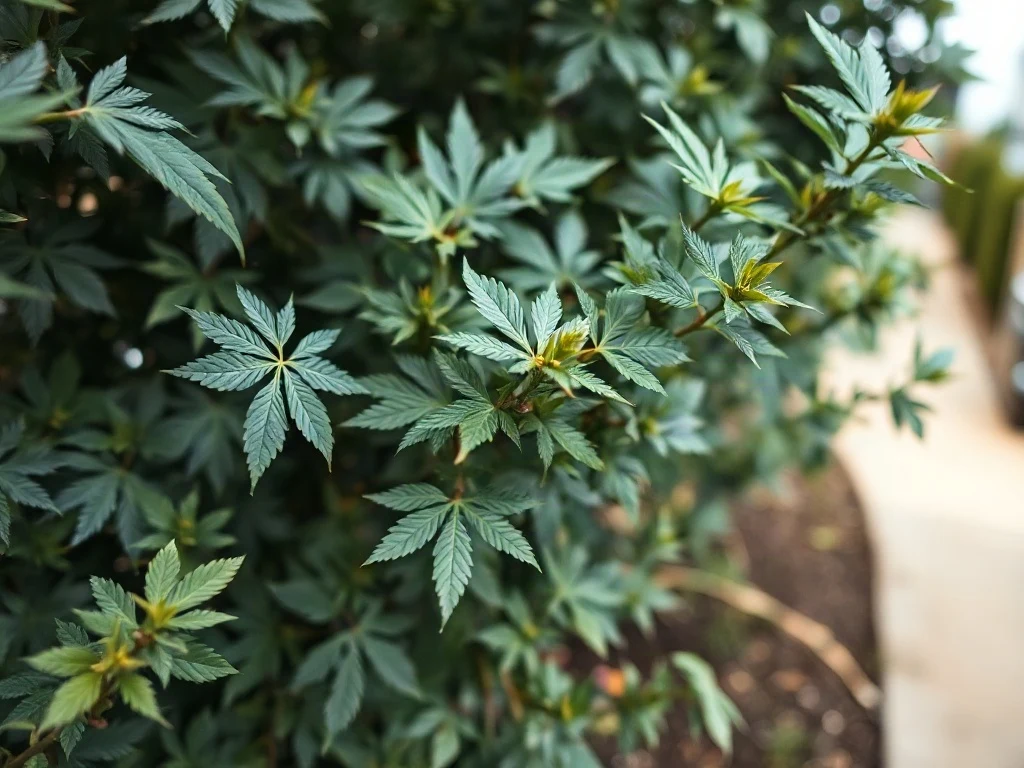
The species Vitex agnus-castus originates from southern Europe and central Asia, where it has been cultivated for centuries. The 'Shoal Creek' selection brings proven hardiness and exceptional drought tolerance combined with more generous lavender-blue blooms, making it a practical choice for gardens where water conservation matters. The gray-green, palmately compound leaves (with 5 to 7 leaflets) create a distinctive hemp-like appearance even when not in flower.
With proper care, Shoal Creek Chaste Tree will live 20 years or more, reaching full mature size in roughly 3 to 5 years and becoming a long-term landscape investment.
Planting and Site Selection
Choosing the Right Location
Full sun is non-negotiable for Shoal Creek Chaste Tree: it requires a minimum of 6 hours of direct sunlight daily. Plants receiving fewer than 6 hours show noticeably reduced flowering and develop a leggy, sparse form. Morning sun is particularly important in regions with intense afternoon heat, but the plant thrives in full heat exposure.
Hardy in USDA zones 6 through 9, this cultivar is also reported root-hardy into zone 5 in some cases, though above-ground growth may die back to the ground in severe winters and resprout from roots. In zone 5 or the colder edge of zone 6, spring planting is preferred over fall to allow roots time to establish before winter stress.
Soil Preparation and Planting Time
Shoal Creek Chaste Tree is remarkably adaptable to most well-drained soils, including poor and rocky ground. The critical requirement is drainage: the plant is intolerant of soggy or waterlogged sites and will develop root rot in standing water. Soil pH ranging from 6.0 to 8.0 poses no problem.
If your soil is heavy clay, work in 2 to 3 inches of compost or aged bark to improve drainage before planting. If soil already drains well, minimal or no amendment is needed. Plant in spring or fall. Spring is preferred in zones 6 and colder so roots establish before winter arrives. Fall is acceptable in zones 7 through 9 where winters are milder.
Spacing and Container Plants
Space plants 8 to 12 feet apart for mass plantings or informal hedges. For a single specimen, allow 10 to 15 feet or more, since the mature plant is typically as wide as it is tall. Nursery-grown Shoal Creek Chaste Trees are commonly sold in quart, gallon, or 3-gallon containers as young shrub forms. Many will bloom in their first year from cutting-grown stock. Container plants should be transplanted to the ground before reaching 3 to 4 feet tall, as they become impractical to maintain in pots at full mature size.
Watering and Soil Requirements
Water Needs for Young Plants
A newly planted Shoal Creek Chaste Tree needs regular water during its first growing season and into year two. Water deeply once or twice per week, aiming for 1 to 1.5 inches per week including rainfall. The goal is to keep the root zone moist but never waterlogged. Mulch around the base with 2 to 3 inches of coarse bark or wood chips to conserve moisture and regulate soil temperature.
Drought Tolerance When Established
After two to three years, Shoal Creek Chaste Tree reaches mature size and becomes remarkably drought-tolerant. Once established, the plant requires low to moderate water. In most climates, rainfall alone sustains the plant. During extended dry spells or in arid regions, supplemental irrigation once every 2 to 3 weeks keeps the plant vigorous and flowering abundantly. This makes it an excellent choice for xeriscaping and low-water landscapes, particularly when grouped with other drought-tolerant companions.
Salt Tolerance
The plant shows moderate salt tolerance, making it suitable for coastal properties and areas where road salt is used, though it is not salt-proof. In high-salt exposures, occasional heavy watering to leach salts from the root zone helps maintain vigor.
Pruning and Seasonal Maintenance
Hard Pruning in Late Winter
Because Shoal Creek Chaste Tree blooms on new wood, the pruning strategy is straightforward: prune hard in late winter or early spring, just before new growth emerges. In zones 6 and 7, this means late February through early March. In zones 8 and 9, prune in February or early March as growth begins.
For a well-structured plant, cut back the entire canopy by one-third to one-half of its height annually. This encourages dense new growth and a full flush of flowers on young shoots. For a more compact specimen, cut back even more aggressively, removing two-thirds of the previous year's growth. Use sharp pruners and make cuts just above a node or bud. If the plant has become overgrown or neglected, it tolerates cutting back to within 12 to 18 inches of the ground and will fill in within a single season.
Summer Deadheading for Reblooming
Throughout the bloom season (typically May through September), remove spent flower panicles by cutting just below the faded cluster, taking 3 to 4 inches of stem. This triggers new flower bud formation, extending the bloom period through rebloom flushes. Regular deadheading keeps a Shoal Creek Chaste Tree flowering well into late summer or early fall.
Fertilizing
Shoal Creek Chaste Tree is a light feeder. Apply a balanced fertilizer (such as 10-10-10 NPK) once in early spring as new growth begins. Over-fertilizing does more harm than good: excess nitrogen favors foliage at the expense of flowers. If soil is poor, a light second application in early summer can boost flowering, but avoid fertilizing after mid-summer to prevent tender new growth vulnerable to early frost in colder zones.
Encouraging Blooms and Reblooming
Bloom Characteristics
Shoal Creek Chaste Tree flowers appear in late spring and continue into summer, with peak bloom typically from June through August. The flowers are lavender-blue to violet-blue, borne in elongated panicles. The 'Shoal Creek' cultivar is specifically selected for larger flower clusters than the species, delivering showy, substantial inflorescences. The flowers are lightly fragrant and highly attractive to bees, butterflies, and hummingbirds, making this an excellent pollinator plant for gardens prioritizing wildlife.
Why Blooms Decline
Sparse or absent flowering most commonly results from insufficient sunlight. If the plant receives fewer than 6 hours of direct sun daily, flower production drops noticeably. Relocate or thin surrounding vegetation to increase light exposure. The second cause is improper pruning: if you prune in summer or fall, you remove the new growth on which flowers develop, eliminating next season's bloom. Stick strictly to late-winter/early-spring pruning. Finally, light feeding is essential; over-fertilized plants produce lush foliage but few flowers. Maintain restraint with fertilizer and stick to one balanced application in early spring.
Managing Pests and Common Problems
Pest Susceptibility
Shoal Creek Chaste Tree is relatively pest-resistant. The occasional issues include spider mites (especially in hot, dry conditions), which create fine webbing and cause speckled or yellowed leaves; whiteflies appearing on leaf undersides; and scale insects (rare). Manage spider mites by spraying the plant with a strong stream of water or use a miticide if infestation is severe. Control whiteflies with insecticidal soap or neem oil applied to leaf undersides. For scale, scrape manually or treat with horticultural oil in late winter when the plant is dormant.
Diseases
The primary disease risk is root rot in poorly drained or waterlogged soil. Prevent it through excellent drainage and avoiding overwatering. Leaf spot occasionally appears as brown or tan spots on foliage in humid conditions and is usually cosmetic, requiring no treatment. If root rot develops, the plant declines rapidly; improve drainage or transplant to a better-drained site.
Common Problems and Solutions
| Problem | Cause | Solution |
|---|---|---|
| Sparse flowering or no blooms | Less than 6 hours of direct sun daily | Relocate or thin surrounding vegetation for more light |
| Leggy, open plant form | Lack of pruning or pruning too late in season | Prune hard in late winter before new growth; cut back by one-third to one-half |
| Winter dieback above ground | Zone 5-6 cold exposure; normal in colder parts of range | Plant in spring; mulch after planting; roots often survive and resprout |
| Self-seeding volunteers nearby | Seeds drop from spent flowers; plant can naturalize | Deadhead spent panicles; check local invasive plant lists in the South |
Invasiveness Note
In parts of the southeastern United States, particularly Texas and the Gulf Coast, Vitex agnus-castus has naturalized and is flagged as potentially invasive due to prolific self-seeding. Before planting Shoal Creek Chaste Tree in these regions, check your state or local invasive plant list. In other regions, deadheading prevents unwanted seed spread and is good practice regardless.
Companion Planting and Landscape Uses
Landscape Roles
Shoal Creek Chaste Tree is versatile enough to fill multiple roles. Use it as a specimen or accent plant in a prominent location for a bold midsummer-to-fall statement. Plant it in mixed shrub borders paired with other deciduous or evergreen shrubs for layered interest. Create a butterfly and pollinator garden where the lavender flowers reliably attract bees, butterflies, and hummingbirds. Plant 8 to 10 feet apart to form an informal hedge or screen. Include it in xeriscape and low-water landscapes where its drought tolerance shines once established.
Recommended Companions
Pair Shoal Creek Chaste Tree with plants that complement its late bloom time and airy foliage. Ornamental grasses such as muhly grass or maiden grass provide textural contrast and year-round interest. Purple, blue, or burgundy salvias echo the chaste tree's color while blooming synchronously. Lantana offers complementary warm tones and attracts the same pollinators. Crepe myrtle is a classic pairing, sharing the deciduous summer-bloomer habit and cultural needs. Russian sage delivers lavender flowers and gray foliage that harmonize beautifully with Shoal Creek Chaste Tree.
Quick Reference Checklist
| Task | Timing | Key Details |
|---|---|---|
| Plant | Spring (preferred) or fall | Zones 6-7 prefer spring; full sun (6+ hours); space 8-12 ft apart |
| Water | Regular first 2-3 years; as-needed after | 1-1.5 in./week while young; low water once established |
| Mulch | At planting | 2-3 in. of bark chips; keep back from trunk |
| Hard prune | Late Feb-early March (zones 6-7); Feb-early March (zones 8-9) | Cut back by 1/3 to 1/2; blooms on new wood |
| Deadhead | May-September | Remove spent panicles to trigger reblooming |
| Fertilize | Early spring | Balanced fertilizer (10-10-10) once; avoid over-feeding |
| Monitor for pests | Ongoing, especially hot/dry weather | Spider mites, whiteflies occasional; manage with water spray or insecticidal soap |
| Check invasiveness status | Before planting in southern US | Consult state/local invasive plant list; deadhead to prevent self-seeding |
| Expect maturity | 3-5 years | Reaches 10-15 ft tall and wide; grows 2-3 ft/year until full size |
Toxicity and Safety
Shoal Creek Chaste Tree is not listed as toxic to pets or people in standard toxicity references. The plant's berries contain compounds used in herbal chasteberry supplements, which have mild activity in humans. While the ornamental plant poses no direct hazard in the landscape, ingestion of berries in quantity is best avoided. The plant is deer resistant and generally safe around pets and children in garden settings.