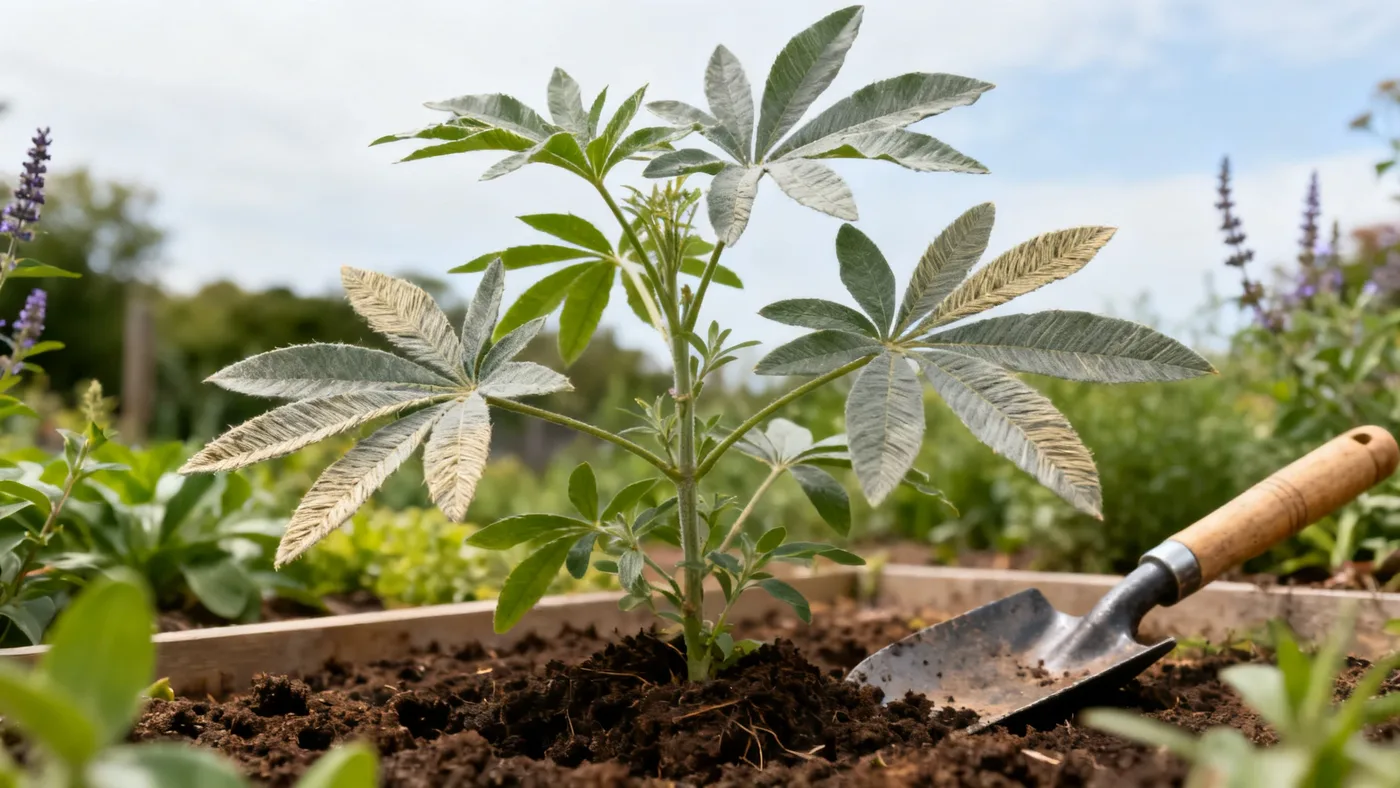
How to Plant a Shoal Creek Chaste Tree the Right Way
Planting a Shoal Creek Chaste Tree correctly sets it up for years of reliable performance. This fast-growing shrub reaches 10 to 15 feet tall and wide, blooms prolifically from late spring through summer, and requires minimal fussing once established. A few practical decisions made at planting time will save you effort later and help the plant thrive in your landscape.
What You'll Need
Before you dig, gather these items:
- A nursery-grown Shoal Creek Chaste Tree (typically sold in quart, #1, or #3 containers)
- A shovel (flat-bladed for digging, rounded for turning soil)
- Compost or aged bark mulch
- A balanced fertilizer (10-10-10 or similar ratio)
- Garden hose or soaker line for watering
- Measuring tape (to check spacing and hole depth)
- Work gloves
Choosing the Right Location
Shoal Creek Chaste Tree performs best in full sun. The plant needs at least 6 hours of direct sunlight daily to bloom well and develop its full, bushy form. Flowering and overall shape will noticeably decline in part shade, so avoid planting under tree canopies or on the north side of buildings.
Check your USDA hardiness zone. This cultivar is hardy in zones 6 through 9. In zone 5, the plant may die back to the ground in winter and regrow from the roots in spring, though this behavior varies depending on how severe the winter is. If zone 5 applies to you, contact your local extension office for guidance on managing potential winter dieback.
Ensure the site drains well. Shoal Creek Chaste Tree is adaptable to most soils, including poor or rocky ground. It absolutely will not tolerate soggy or waterlogged soil, so avoid low-lying areas that collect water after rain or sites with standing water in spring. The plant tolerates soil pH between 6.0 and 8.0, so standard garden soil works fine. If you have a history of heavy clay, you can amend the planting area to improve drainage.
Preparing Your Planting Site
Timing matters. Spring is the preferred planting season, especially in colder parts of the plant's range (zones 6 and 7), so the roots have the entire growing season to establish before winter. Fall planting is also acceptable in warmer zones (8 and 9), giving roots a mild dormant period and a head start in spring. Avoid planting in the heat of midsummer.
Clear the planting area of grass and weeds in a circle at least 3 feet wide. Remove sod by hand or with a spade if possible, rather than relying on herbicides. This reduces competition for water and nutrients during the critical establishment phase.
Dig a hole that is as deep as the root ball and two to three times as wide. Measure the container height to set the depth accurately. The top of the root ball should be level with or slightly above ground level when the plant is set in the hole. Never bury the stem or crown of the plant; it should sit at the same depth it was growing in its container.
If your soil is dense or poorly draining, rough up the sides and bottom of the hole to help roots break through into surrounding soil. You do not need to amend the backfill heavily; light incorporation of compost (about one part compost to three parts native soil) is sufficient. Over-amending can actually harm establishment by encouraging roots to stay in the planting hole rather than growing out into the landscape.
Step-by-Step Planting Instructions
Step 1: Remove the plant from its container. Water the chaste tree thoroughly an hour or two before planting. Carefully slide it out of its pot by tipping the container to one side and gently pulling the base of the stem. If the roots are circling tightly around the root ball, gently loosen them with your fingers or make three or four vertical cuts along the sides of the root ball. This encourages roots to spread outward into the surrounding soil.
Step 2: Position the plant in the hole. Set the root ball into the hole and check that the top is at the correct level. The plant should sit upright without tilting. Step back and look at it from different angles to ensure it is centered and level.
Step 3: Backfill the hole. Return the native soil mixed with compost to the hole in layers, pressing gently as you go to eliminate air pockets. Do not pack the soil so tightly that it becomes compacted. Fill the hole until the soil surface is level with the surrounding ground and the top of the root ball is at ground level.
Step 4: Water immediately. Water the planted tree deeply and thoroughly with a slow, gentle flow. This settles the soil and removes trapped air from the planting hole. Apply enough water to reach at least 12 inches deep in the root zone.
Step 5: Apply mulch. Spread 2 to 3 inches of coarse wood chips or bark mulch in a circle around the base, extending to 3 feet away from the stem or the drip line of the canopy as the plant grows. Keep mulch a few inches back from the stem itself to allow air circulation and prevent decay. This moderates soil temperature, reduces competition from weeds, and conserves soil moisture during establishment.
Step 6: Stake if needed. In windy sites or if the plant is top-heavy, drive a single stake into the ground next to the root ball and secure the stem loosely with a tree tie or soft cloth. Remove the stake after one growing season so the tree develops a strong trunk. Most young chaste trees do not require staking.
Watering and Initial Care
Water regularly for the first growing season. The plant needs consistent moisture while roots are establishing, but not waterlogging. Water deeply once or twice per week, depending on rainfall and weather. Once the plant is into its second year and roots have spread into the landscape, chaste tree's drought tolerance kicks in, and supplemental watering is rarely needed except during extended dry spells.
Avoid fertilizing at planting time. Applying fertilizer at planting can encourage lush foliage growth at the expense of root development. After the first season, apply a balanced fertilizer (such as 10-10-10) in early spring as new growth begins. Light feeding is enough; the plant is a light feeder and excess nitrogen promotes leafy growth over blooms.
Do not prune heavily during the first growing season. Light deadheading (pinching off spent flower clusters) is fine and encourages more blooms, but let the plant establish its structure and size naturally. In late winter of the second year and beyond, you can prune more aggressively as part of annual maintenance. The plant blooms on new wood, so hard pruning in late winter before growth emerges is the right approach.
Common Planting Mistakes to Avoid
Planting too deep. If the crown or top of the root ball ends up below ground level, the stem can rot. Always set the plant at the same depth it grew in its container.
Over-amending the soil. Roots stay in loose, rich soil rather than branching out. Use native soil with light compost amendment.
Planting in shade or part shade. The plant will survive but will flower sparsely and grow leggy. Full sun (6+ hours) is not optional for good performance.
Ignoring drainage. Waterlogged soil causes root rot and quick decline. If your site is wet, choose a different location or raise the planting mound.
Staking permanently. Remove stakes after the first season so the trunk develops natural strength and taper.
Mulching the stem. Piling mulch against the base of the trunk traps moisture and invites decay. Keep a clear zone 2 to 3 inches around the stem.
What to Expect After Planting
A healthy, nursery-grown Shoal Creek Chaste Tree often produces its first flowers in the same year it is planted or early in the following season. The plant grows fast, typically adding 2 to 3 feet per year, so it reaches a mature size of 10 to 15 feet in width and height within 3 to 5 years.
The first summer after planting, focus on keeping the plant watered and letting it settle. You may notice some leaf drop or slower initial growth as the plant adjusts to the landscape; this is normal and usually resolves as roots spread. By the second year, growth accelerates noticeably.
Once established, the plant becomes a low-maintenance landscape workhorse. It blooms reliably from late spring through summer with lavender-blue panicles of flowers that attract bees, butterflies, and hummingbirds. The aromatic, gray-green foliage with its distinctive palmately compound leaves adds textural interest even when not in bloom. Deer generally avoid the plant due to its pungent foliage scent.
For ongoing care strategies and techniques to maintain your mature plant's health and bloom production, see our complete growing guide to Shoal Creek Chaste Tree care.
Quick Reference: Planting Checklist
| Task | Timing / Details |
|---|---|
| Choose location | Full sun (6+ hours); well-drained soil; hardiness zones 6-9 |
| Prepare site | Clear 3-foot circle; dig hole 2-3 times container width, same depth as root ball |
| Plant | Spring preferred; set root ball level with ground; backfill gently; water deeply |
| Mulch | Apply 2-3 inches of bark chips in 3-foot circle, keep back from stem |
| First year watering | Deep watering 1-2 times per week; consistent moisture, not soggy |
| First season fertilizer | None at planting; apply balanced 10-10-10 in early spring of year 2 |
| Pruning | Light deadheading year 1; hard prune in late winter from year 2 onward |
| Expected growth rate | 2-3 feet per year; reaches mature size (10-15 ft) in 3-5 years |
| First blooms | Often same year or early following season |