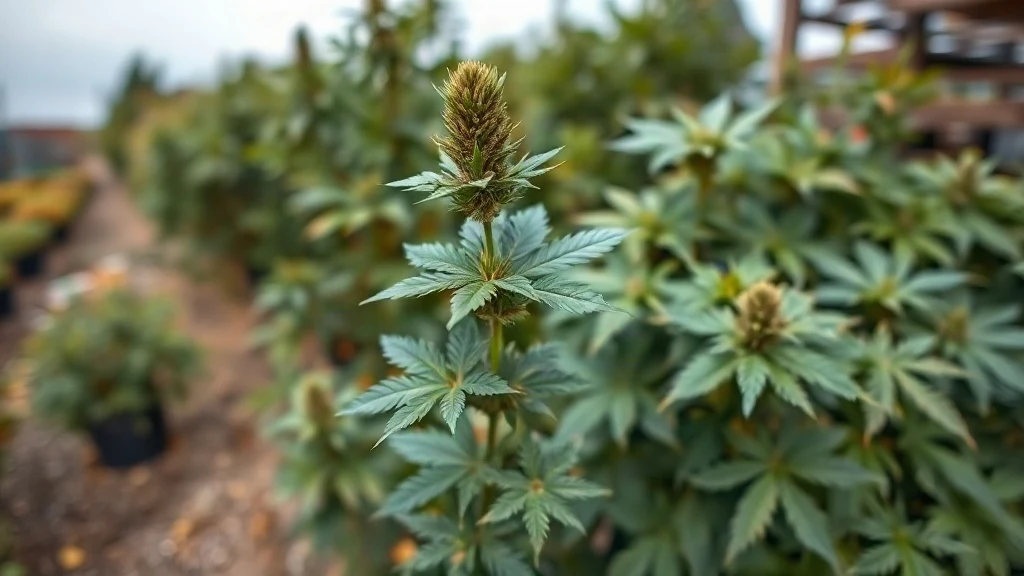
Best Soil for Shoal Creek Chaste Tree: pH and Drainage
Shoal Creek Chaste Tree is forgiving when it comes to soil, but that doesn't mean any dirt will do. The difference between planting in poorly drained clay and preparing the right soil mix shows up in root health, flowering vigor, and how fast the plant establishes. This guide walks you through testing your site, amending the planting area, and avoiding the one soil condition that will reliably kill a chaste tree: waterlogging.
Understanding Chaste Tree Soil Requirements
Shoal Creek Chaste Tree adapts to most well-drained soils, including poor, rocky, and sandy sites. What it cannot tolerate is soggy or waterlogged soil. The species evolved in Mediterranean and central Asian climates where summer rains drain quickly and drought stress is common, so its root system expects oxygen and drainage.
The plant's soil pH tolerance is broad. It performs in soils ranging from roughly 6.0 (slightly acidic) to 8.0 (slightly alkaline), so pH adjustment is rarely necessary unless your soil is extreme. Once established, chaste tree is drought-tolerant and needs little supplemental water beyond the first growing season.
Testing Your Soil: pH and Drainage
Before amending anything, know what you're working with. Two simple tests answer the essential questions.
Soil pH Test
Buy an inexpensive soil pH kit from a garden center or send a sample to your local extension service for a full soil report. If your pH is between 6.0 and 8.0, no adjustment is needed. If it's below 6.0 (acidic), you can raise it by mixing in agricultural lime. If it's above 8.0 (alkaline), the plant will still grow, but micronutrient availability may decline slightly over time. Most nursery growers don't amend for pH unless the reading is extreme.
Drainage Test
Dig a hole about 12 inches deep and 12 inches wide in the planting area. Fill it with water and let it drain completely. Refill it and time how long the water takes to drain. If it drains in 1 to 2 hours, drainage is ideal. If water is still visible after 4 hours, the soil drains slowly and will need amendment. If it sits for a full day or more, the site is too wet for chaste tree without serious soil work.
Materials You'll Need
The exact materials depend on your soil type and how much space you're amending, but here's what most planters reach for:
- Compost or aged bark mulch (bagged or bulk)
- Coarse sand or horticultural grit (if soil is heavy clay)
- Peat moss or coconut coir (optional, for water retention in sandy soils)
- Agricultural lime (only if pH test shows below 6.0)
- Balanced granular fertilizer (optional for planting season)
- A spade or garden fork
- A wheelbarrow
- Heavy-duty gloves
Step-by-Step Soil Amendment Instructions
These steps work whether you're preparing a single planting hole or amending a larger area.
Step 1: Loosen the Native Soil
Break up the existing soil with a spade or garden fork to a depth of 12 to 18 inches and a width of at least 18 inches beyond the planting hole. Chaste tree roots are not aggressive, but they'll spread into loosened, well-aerated soil much more readily than compacted earth. Remove any large stones, roots, or debris as you go.
Step 2: Assess and Adjust for Clay-Heavy Soils
If your drainage test showed slow drainage (more than 2 to 4 hours), the soil likely has significant clay content. Mix coarse sand or horticultural grit into the loosened soil at a ratio of 1 part sand to 2 or 3 parts native soil. This opens the structure and allows water to move through the pore spaces. Do not use fine sand or masonry sand, which can worsen compaction.
Step 3: Incorporate Organic Matter
Spread 2 to 4 inches of compost or aged bark mulch over the loosened soil. Work it into the top 6 to 8 inches with your spade. Organic matter improves drainage in clay soils and increases water-holding capacity in sandy ones. It also introduces beneficial microbes that help roots establish. Well-aged material is better than fresh compost, which can deplete nitrogen as it breaks down.
Step 4: Address pH if Needed
If your pH test showed below 6.0, sprinkle agricultural lime over the amended soil according to the product label (usually 5 to 10 pounds per 100 square feet, depending on how far below 6.0 you are). Work it into the top few inches. Lime works slowly, so it's best applied a few weeks before planting, though mixing it directly into the planting hole works in a pinch.
Step 5: Create the Planting Mound and Let It Settle
Build the amended soil back over the original planting area, creating a slight mound that's a few inches higher than grade. This extra height helps water shed away from the root zone. Water the mound thoroughly and let it settle for a few days before planting. This prevents the rootball from sinking and sitting in a puddle after watering.
Planting Instructions for Chaste Tree on Amended Soil
Once your soil is ready, planting is straightforward. Dig a hole in the amended soil about as deep as and twice as wide as the rootball of your chaste tree. Nursery-grown plants usually arrive in quart, 1-gallon, or 3-gallon containers. Set the plant so the top of the rootball is level with or very slightly above grade. Do not bury the stem deeper than it was growing in the pot; this invites rot.
Backfill with the amended soil mix, firming gently as you go. Water deeply after planting to settle the soil and eliminate air pockets. In the first season, water once a week if rainfall is less than 1 inch per week. Once established (by the second growing season), chaste tree is drought-tolerant and typically needs water only during severe dry spells.
Space plants 8 to 12 feet apart if planting multiple shrubs, to allow for mature width of 10 to 15 feet.
Tips and Common Mistakes to Avoid
- Over-amending with organic matter: More than 4 inches of compost can trap moisture and increase rot risk, especially in humid climates. Stick to 2 to 4 inches and work it in.
- Planting too deep: The leading cause of young chaste tree decline is a buried stem. Keep the soil line at or just above the original pot mark.
- Ignoring drainage when it's poor: If your drainage test showed water sitting for hours, amending with sand and compost is non-negotiable. Planting in unimproved clay will lead to root rot within a year or two.
- Using peat moss in already-moist climates: Peat holds water and is useful for sandy soils in dry areas, but it can worsen moisture stress in humid regions. Bark mulch or coarse compost is often the safer choice.
- Watering the mature plant like a tropical shrub: Once chaste tree is established, it prefers dry spells over constant moisture. Overwatering is more harmful than underwatering.
- Assuming lime is always needed: Many gardeners add lime reflexively. Test first; chaste tree is fine at neutral pH, and over-liming can reduce micronutrient availability.
Expected Results
When soil conditions are right, a well-planted chaste tree establishes quickly. Young plants typically grow at a rate of 2 to 3 feet per year until they reach mature height of 10 to 15 feet. Root systems spread into amended soil readily, and the plant's flowering (which appears from late spring through summer) responds to good drainage and full sun (6 or more hours daily).
If your plant starts with minimal blooms or sparse foliage, check the basics first. Poor drainage is a common culprit, as is too much shade. Bloom shortage may also relate to pruning timing or plant age; see Why Is My Shoal Creek Chaste Tree Not Blooming for troubleshooting.
Properly amended soil sets the foundation for decades of healthy growth. A chaste tree on well-drained, pH-suitable soil typically thrives with minimal intervention beyond annual pruning and occasional supplemental water during drought.
Quick Reference: Soil Preparation Checklist
| Task | Details | Timing |
|---|---|---|
| Test pH | Target range: 6.0–8.0. Adjust only if outside this range. | Before planting |
| Test drainage | Water should drain within 2–4 hours. If slower, amend with sand and organic matter. | Before planting |
| Loosen native soil | 12–18 inches deep; remove compacted areas, stones, roots. | Planting day (or a few days prior) |
| Add sand (if clay-heavy) | Coarse sand, 1 part to 2–3 parts native soil; work in. | Before adding compost |
| Add organic matter | 2–4 inches compost or aged bark mulch; work into top 6–8 inches. | Before planting |
| Apply lime (if needed) | Only if pH test is below 6.0. Follow product label. | A few weeks before planting, or at planting |
| Water and settle soil | Water amended area thoroughly; wait 2–3 days for settling. | Before planting |
| Plant and water deeply | Planting hole 2× as wide as rootball; top of root flare at grade. | Spring preferred in colder zones (6–7) |
| Mulch surface (optional) | 2–3 inches of bark or compost around base; keep 3–4 inches clear of stem. | After planting |
For complete growing guidance, see Shoal Creek Chaste Tree Care: The Complete Growing Guide.