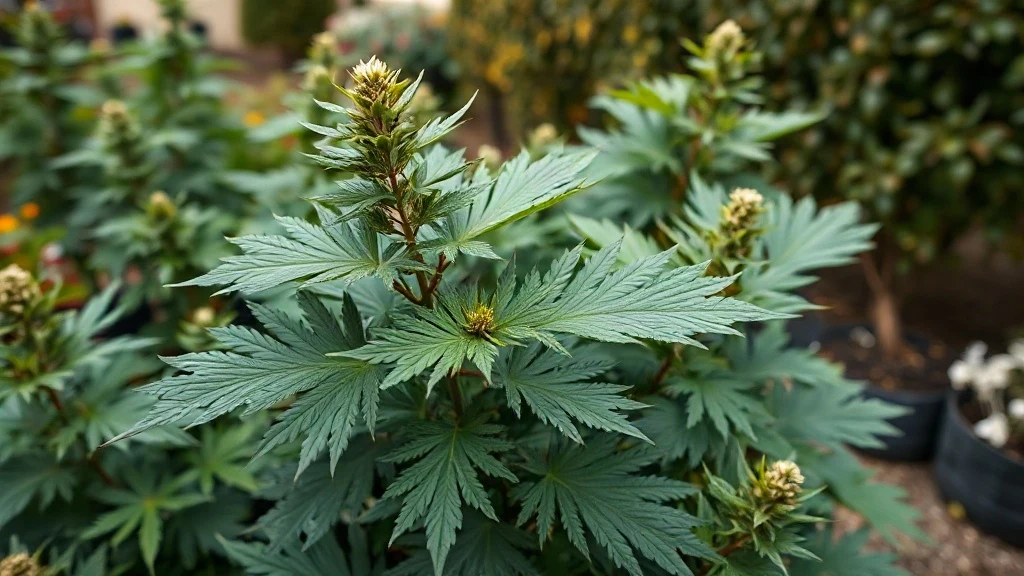
Is Shoal Creek Chaste Tree Drought Tolerant Once Established?
Yes, Shoal Creek Chaste Tree develops high drought tolerance once its root system matures, making it an excellent choice for low-water landscapes and xeriscape gardens. However, the window between planting and that established state requires deliberate care. This guide walks you through establishing your chaste tree so it thrives on minimal supplemental water, then maintaining it through your region's dry seasons.
Understanding Drought Tolerance in Chaste Trees
Drought tolerance is not an on-off switch. Shoal Creek Chaste Tree develops it over time as its root system moves deeper into the soil. A plant in its first year cannot access the deep moisture reserves that make mature specimens drought-tolerant. Your job during establishment is to build a strong root system, then protect it as the plant hardens.
The plant grows at roughly 2 to 3 feet per year, and reaches its full mature size in approximately 3 to 5 years. During that period, regular water during the growing season keeps roots pushing downward. Once established, Shoal Creek Chaste Tree rated for zones 6 through 9 requires only low to moderate water and shows high drought tolerance. In zone 5, where cold hardiness is marginal, drought tolerance is less relevant because winter dieback is the limiting factor.
Equally important: chaste trees are intolerant of waterlogged soil. This is why well-drained soil is non-negotiable. You are not choosing between "drought-tolerant" and "water-loving"; you are choosing a plant that needs good drainage and happens to tolerate dry periods once established.
Establishing Drought Tolerance: Step-by-Step
Step 1: Choose the Right Site and Prepare Soil
Select a location with full sun (6 or more hours daily). Chaste trees flower and form decline noticeably in part shade, and drought tolerance depends on healthy growth, which requires adequate light. Shoal Creek Chaste Tree adapts to most well-drained soils, including poor and rocky soil, but will not establish in soggy or heavily waterlogged sites.
If your soil drains poorly, amend the planting hole: dig a hole twice as wide as the root ball and as deep. Mix the removed soil 50/50 with compost or coarse sand to improve drainage. For clay or compacted sites, consider planting on a slight mound to ensure water moves away from the root crown.
Soil pH between 6.0 and 8.0 is suitable; most gardeners do not need to adjust pH for chaste tree.
Step 2: Plant in Spring or Fall
Spring planting is preferred in zones 5 and 6, where roots need time to establish before winter. In zones 7 through 9, fall planting also works well. Container-grown nursery plants (usually sold in quart, 1-gallon, or 3-gallon containers) establish faster than bare-root stock.
Place the plant so the top of the root ball is level with or slightly above ground level. Backfill with amended soil, water thoroughly to settle the soil, and create a 2 to 3-inch mulch ring around the base. Do not mulch against the stem; leave a small gap to prevent rot.
Step 3: Water Deeply and Regularly During the First Two Growing Seasons
This step is the key to future drought tolerance. Inconsistent or shallow watering keeps roots in the top few inches of soil. Deep watering trains roots to go deeper, where soil moisture is more stable during dry periods.
Water at planting time and then 1 to 2 times per week for the first season, depending on rainfall and heat. If your area receives 1 inch of rain per week, supplemental watering may not be needed. During hot spells or in arid climates, water more frequently. The goal is to keep soil consistently moist (not soggy) in the root zone, roughly 6 to 12 inches deep.
In the second year, gradually reduce watering frequency as the root system matures. By the end of year two or into year three, the tree should need water only during extended dry spells (2 to 3 weeks without rain).
Step 4: Monitor and Adjust Through Year 2
Watch for stress signals during hot weather. Wilting leaves (especially on new growth) suggest the root system is not yet accessing adequate moisture. If this occurs, resume regular watering to deepen root establishment. Conversely, if the soil stays wet after rain and the plant looks unhealthy, reduce watering and check that drainage is working; root rot in poorly drained soil will kill the plant regardless of intended drought tolerance.
Prune lightly during establishment only to remove dead or crossing branches. Hard pruning should wait until the plant is fully established (year 3 onward) and leafs out vigorously each spring.
Maintaining Low-Water Chaste Trees
Once Shoal Creek Chaste Tree reaches maturity (roughly 3 to 5 years), watering needs drop sharply. The established shrub tolerates periods of drought and requires only occasional supplemental water in most climates.
Watering Mature Plants
After establishment, water mature chaste trees only when the soil surface feels dry 2 to 3 inches down, or after 2 to 3 weeks without rain. In zones 6 and 7, summer heat often triggers one or two deep watering sessions during peak heat. In zones 8 and 9, established plants may need no supplemental water outside the growing season. Your local extension service can advise on typical dry periods in your region.
The moderate salt tolerance of chaste trees means they can survive in coastal or salt-sprayed areas with regular watering to dilute accumulated salts. This trait also makes them suitable for landscapes where road salt is common.
Pruning for Resilience
Prune hard in late winter or early spring before new growth emerges, since the plant blooms on new wood. Cut back by one-third to one-half annually to maintain a fuller, bushier form and encourage a more abundant bloom flush. This pruning also prevents the leggy, sparse flowering that occurs without regular cutting back.
Deadheading spent flower panicles through summer promotes reblooming. Chaste tree typically flowers from late spring into summer (May through September), and deadheading extends this display by directing energy into new blooms rather than seed production.
Soil Care
Mulch only after the plant is established; renew the 2 to 3-inch mulch layer annually in spring. Mulch conserves soil moisture during dry periods and moderates soil temperature. Pull mulch back slightly from the stem to prevent collar rot.
Chaste tree is a light feeder. A balanced fertilizer applied in early spring is usually sufficient. Avoid over-fertilizing, which favors foliage over bloom and can delay hardiness in cooler zones.
Tips and Common Mistakes
Mistakes to Avoid
- Planting in shade or part shade. Flowering and form decline without 6 or more hours of sun, and the plant cannot build the vigor needed for drought resilience.
- Planting in poorly drained soil and expecting the plant to tolerate it. Drainage is the foundation; drought tolerance depends on it.
- Underwatering during the first two growing seasons. Skimping on water before the root system matures will stunt the tree and delay its transition to drought tolerance.
- Heavy pruning in fall in zones 5 and 6. This can stimulate tender new growth that winter will damage. Prune in late winter or spring.
- Forgetting that "drought-tolerant once established" means something different in each zone. Plants in zone 5 struggle with winter cold first; those in zones 8 and 9 are truly low-maintenance in summer dry spells.
Success Tips
- Plant with other drought-tolerant companions: ornamental grasses such as muhly grass, salvia, lantana, crepe myrtle, or Russian sage. These species complement chaste tree's growth habit and water needs, making maintenance easier across the entire bed.
- Group plants by water need. Place newly established chaste trees in a section where you can water consistently; move them mentally to your low-maintenance zone once they are 3 to 5 years old.
- Water in early morning to minimize evaporation and allow foliage to dry before nightfall, reducing disease pressure from leaf spot or fungal issues.
- In hot climates, a 2-inch layer of mulch can reduce soil temperature by as much as 10 to 15 degrees, reducing water stress even on mature plants.
- Monitor for spider mites during hot, dry conditions. These pests are occasional but favor hot, dry air. A strong spray of water from the hose can dislodge them; neem oil or insecticidal soap works if populations are heavy.
Why Shoal Creek Chaste Tree Belongs in Your Low-Water Landscape
Once established, Shoal Creek Chaste Tree delivers consistent rewards: lavender-blue to violet-blue flowers from late spring through summer, aromatic gray-green foliage, and strong pollinator appeal. Because the plant blooms on new wood and tolerates hard pruning, you can keep it at any height from 10 to 15 feet (or even occasionally taller in ideal conditions) and shape it to fit your space. For full details on growth and size management, see the complete growing guide.
The key takeaway: Shoal Creek Chaste Tree is not "set it and forget it" in year one. Invest water and attention during establishment, and you will be rewarded with a long-lived, low-maintenance landscape asset that thrives on less water once mature. This is the definition of a practical drought-tolerant flowering shrub for zones 6 through 9.
Drought Establishment Quick Reference
| Establishment Phase | Duration | Key Action | Watering Frequency |
|---|---|---|---|
| Initial planting and first growing season | Months 1–12 | Deep, consistent watering to establish roots | 1–2 times per week (adjust for rainfall) |
| Second growing season | Year 2 | Gradually reduce frequency as roots mature | Weekly to 1–2 times during drought |
| Full maturity and drought tolerance | Years 3–5 onward | Water only during extended dry spells (2–3 weeks without rain) | Minimal to none (depends on zone and local climate) |
| Factor | Requirement |
|---|---|
| Sunlight | 6+ hours full sun daily |
| Soil drainage | Well-drained; avoid waterlogged sites |
| Soil pH | 6.0–8.0 (adaptable) |
| USDA Zones | 6–9 (root-hardy into zone 5 in some reports) |
| Mature height | 10–15 ft (occasionally to 20 ft in ideal conditions) |
| Growth rate | Roughly 2–3 ft per year until mature |
| Years to full maturity | 3–5 years |
| Pruning timing | Late winter or early spring, before new growth |
| First bloom | Often in year 1 from cutting-grown plants; full bloom by year 2–3 |