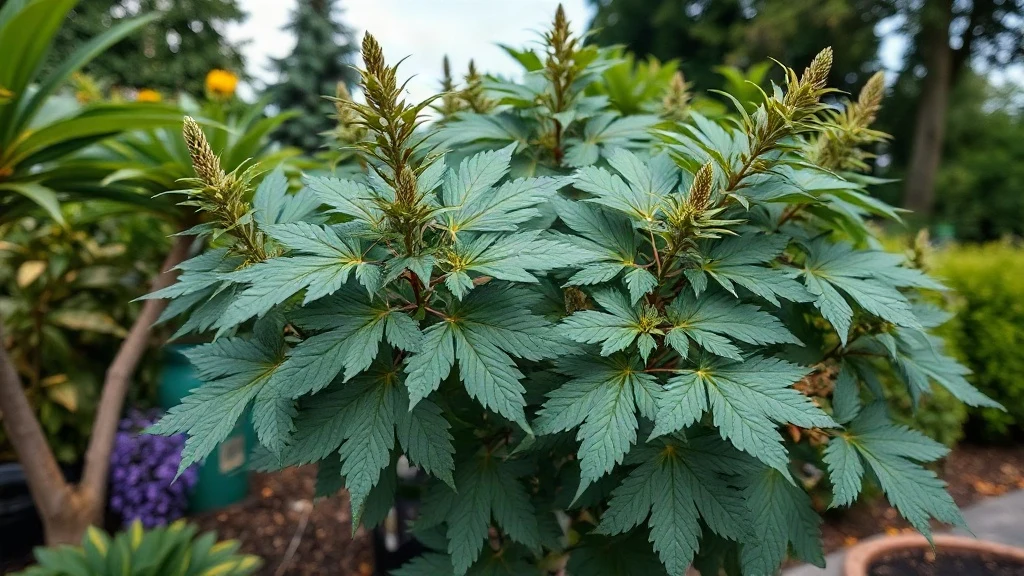
How Shoal Creek Chaste Tree Attracts Bees and Butterflies
If you want to transform your garden into a haven for pollinators, Shoal Creek Chaste Tree (Vitex agnus-castus 'Shoal Creek') deserves a place front and center. This large shrub or small ornamental tree is a powerhouse pollinator plant, reliably attracting bees, butterflies, hummingbirds, and other beneficial insects from late spring through summer. Unlike many ornamental shrubs that offer little more than a pretty silhouette, Shoal Creek Chaste Tree combines striking lavender-blue flowers with practical horticultural traits that make it irresistible to the pollinators your garden depends on.
Whether you're building a dedicated butterfly garden, restoring habitat for native bees, or simply want a shrub that pulls its weight in the landscape, understanding why pollinators flock to this plant will help you grow it successfully and maximize the benefits it brings to your yard.
1. Abundant Lavender-Blue Flowers That Bloom Prolifically
Shoal Creek Chaste Tree produces dense panicles of lavender-blue to violet-blue flowers that are impossible for pollinators to ignore. The cultivar is noted for larger flower panicles than the species itself, which means more nectar and pollen in a single, eye-catching display. These flowers appear in profusion when grown in full sun (6 or more hours daily), creating an almost luminous cloud of color that acts as a powerful visual signal to passing bees and butterflies.
The color itself matters. Bees see ultraviolet light in the blue-to-purple spectrum far more vividly than humans do, so the cool violet tones of Shoal Creek Chaste Tree flowers read as an obvious food advertisement. Butterflies, too, are drawn to these cooler hues, particularly as the flowers age slightly and their color shifts. A single mature shrub can reach 10 to 15 feet tall and equally wide, meaning you're not just adding a few flowers to your landscape, you're adding dozens of flower-laden stems, each one a landing pad and feeding station.
Practical takeaway: Plant Shoal Creek Chaste Tree in a location that receives full sun throughout the day. If shade is unavoidable, know that flowering and overall form decline noticeably in part-shade conditions. Sun is not optional here; it's the key that unlocks the profuse bloom these pollinators depend on.
2. Extended Blooming Season (May Through September) Sustains Multiple Pollinator Generations
Most ornamental shrubs peak in bloom for a few weeks, then fade into green foliage for the rest of the season. Shoal Creek Chaste Tree blooms reliably from late spring into summer, typically May through September, meaning it's a nectar source when many other plants have already finished flowering. This extended window is crucial for sustaining pollinator populations that depend on a steady food supply throughout the growing season.
Here's why this matters: bees that emerge in May need flowers immediately. Butterflies lay eggs on host plants, and the resulting caterpillars turn into adults that need nectar in July and August. Hummingbirds preparing for migration in late summer require abundant food sources to fuel their journey. Shoal Creek Chaste Tree is there for all of them. You can extend the blooming period even further by deadheading spent panicles throughout the season. Remove faded flowers, and the plant will respond with rebloom flushes, essentially giving you waves of fresh blooms and keeping pollinators engaged deeper into fall.
Practical takeaway: Walk your Shoal Creek Chaste Tree monthly from May onward and pinch or prune off flower panicles as they fade. This simple practice signals the plant to produce more flowers rather than setting seed. You'll get a longer season and more total pollinator visits.
3. Reliable Nectar and Pollen Production That Supports Diverse Pollinator Diets
Bees and butterflies don't just visit flowers for the view; they come for nectar and pollen. Shoal Creek Chaste Tree is recognized as a strong pollinator plant, meaning it produces both in quantities that genuinely feed these insects. The flowers offer consistent nectar for energy, while the abundance of pollen provides the protein that bee colonies need to rear brood and grow strong.
Different pollinators have different nutritional requirements and feeding strategies. Honeybees work flowers systematically and store pollen in their hind legs; native bees often specialize on certain flower shapes or colors; butterflies use their long proboscis to sip nectar; hummingbirds likewise depend on nectar but also consume small insects. A plant that produces both nectar and accessible pollen in significant quantities serves all of these visitors. The mild, lightly fragrant flowers are welcoming to all comers, with no special adaptations that exclude generalist pollinators.
Practical takeaway: Avoid using pesticides (including systemic insecticides like neonicotinoids) on or near your Shoal Creek Chaste Tree. The plant's value as a pollinator resource is only realized if the insects that visit can forage safely. Hand-remove any spider mites (the main occasional pest) rather than spraying.
4. Aromatic Foliage and Flowers Broadcast a Strong Pollinator Signal
Walk past a Shoal Creek Chaste Tree and brush the gray-green, palmately compound leaves, and you'll catch a distinctive, pungent sage-like scent. The flowers, too, carry a light fragrance. These aromatic cues are not incidental; they're part of the plant's pollinator recruitment strategy. Scent travels on air currents, helping bees and butterflies locate the plant from a distance, even before they can see the blooms.
The aromatic foliage also serves as a reassurance signal once pollinators arrive. The sage-like scent indicates that the plant is in good health and capable of producing abundant food. This is why the plant is so attractive to hummingbirds: they zero in on the visual stimulus (lavender flowers) and the faint floral fragrance, and they know from experience that blooms with this scent profile deliver reliable nectar. Bees, with their extraordinary sense of smell, are equally responsive. They remember not just the flower color but the entire olfactory signature of a productive plant.
Practical takeaway: Brush past your Shoal Creek Chaste Tree occasionally to confirm that aromatic foliage scent is present. If it's weak or absent, the plant may be stressed (usually by poor drainage or insufficient sun). Stressed plants produce less nectar and lose their attractiveness to pollinators.
5. Thrives in Hot, Sunny Spots Where Other Bloomers Struggle
Shoal Creek Chaste Tree is highly drought-tolerant once established, and it grows fast, roughly 2 to 3 feet per year until mature, in the hottest, driest parts of your landscape. This is significant for pollinators because hot, sunny spots often coincide with pollinator-rich microclimates. Heat-loving bees are active when the sun is strongest. Butterflies bask on warm surfaces. Hummingbirds maintain high metabolic rates and need abundant flowers in full sun where they can move efficiently between blooms.
In zones 6 to 9, Shoal Creek Chaste Tree establishes itself in poor or rocky, well-drained soil and actually flowers more prolifically when water and fertility are moderate, not excessive. This makes it ideal for xeriscapes and low-water landscapes, the same settings where many other pollinator plants falter in mid-summer heat. You can plant it in a hot corner that gets full sun exposure, water it until it's established, then largely let it fend for itself. The plant keeps producing flowers and nectar even when other shrubs are struggling.
Practical takeaway: Choose the hottest, sunniest spot in your yard for Shoal Creek Chaste Tree. Don't baby it with frequent watering or rich soil amendments. Once established, a low-maintenance Shoal Creek Chaste Tree in tough conditions will outperform a coddled one in a shady corner every single time.
6. Pairs Beautifully With Complementary Pollinator Plants
A single Shoal Creek Chaste Tree is valuable. But plant it alongside other pollinator-friendly shrubs and perennials, and you create a migration route for insects, staggering blooms so that flowers are always available. Natural companion plants for Shoal Creek Chaste Tree include ornamental grasses (such as muhly grass), salvia, lantana, crepe myrtle, and Russian sage. All of these share similar sun and water preferences and attract overlapping pollinator communities.
Ornamental grasses, in particular, provide shelter and landing sites for resting butterflies and bees between visits to the flowers. Crepe myrtle and Russian sage extend the bloom season both earlier and later than Shoal Creek Chaste Tree alone. Lantana and salvia offer different flower shapes and colors, attracting a broader mix of pollinator species. When you layer these plants with your Shoal Creek Chaste Tree as the anchor, you're not just improving your landscape's pollinator value, you're creating a genuinely resilient, self-sustaining ecosystem within your garden.
For detailed planting and care instructions, including how to prune for maximum bloom and integrate Shoal Creek Chaste Tree into a larger landscape plan, refer to the complete growing guide.
Practical takeaway: When you install Shoal Creek Chaste Tree, plan your surrounding plantings. Add at least two or three companion shrubs and a selection of pollinator-attracting perennials or grasses nearby. Stagger their blooms so something is flowering from May through October. This approach transforms a single shrub from a nice addition into the centerpiece of a pollinator haven.
Quick Reference: Why Shoal Creek Chaste Tree Is a Top Pollinator Plant
| Pollinator Appeal Factor | Details |
|---|---|
| Flower color | Lavender-blue to violet-blue; highly visible to bees and butterflies |
| Bloom period | May through September (5 months minimum) |
| Nectar and pollen | Abundant, reliable, attracts bees, butterflies, and hummingbirds |
| Fragrance | Light floral scent; pungent sage-like foliage aroma |
| Sun requirement | Full sun (6+ hours); decline in part shade |
| Water needs | Low to moderate once established; drought-tolerant |
| Mature size | 10-15 feet tall and wide; fast-growing (2-3 ft per year) |
| Hardiness | USDA zones 6-9 |
| Growth rate | Reaches full maturity in 3-5 years |
| Pest and disease | High deer resistance; occasional spider mites; disease-free in well-drained soil |