Is Shoal Creek Chaste Tree Really Deer Resistant?
If you're planting a landscape where deer pressure is real, Shoal Creek Chaste Tree (Vitex agnus-castus 'Shoal Creek') is a smart choice. This cultivar is high on the deer resistance scale, largely because of its pungent, sage-like foliage that deer find unpalatable. Below, we answer the questions we hear most often about Shoal Creek Chaste Tree's deer resistance, how to use it effectively in wildlife-heavy gardens, and what to expect when you plant it.
Deer and Wildlife Resistance
Is Shoal Creek Chaste Tree really deer resistant?
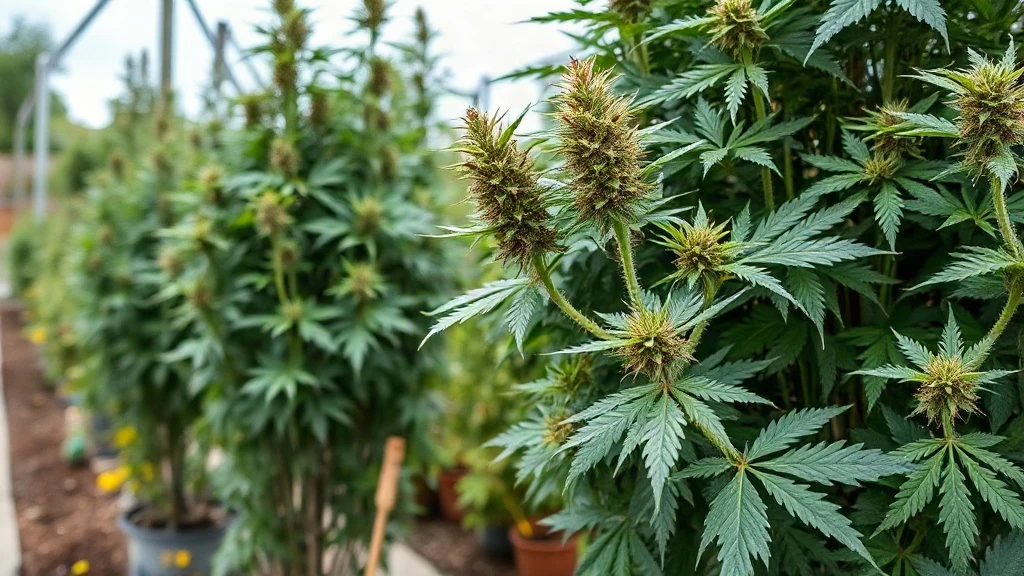
Yes. Shoal Creek Chaste Tree is generally considered deer resistant due to its aromatic foliage, which deer find unappealing. The gray-green, palmately compound leaves (5-7 leaflets) have a distinctive sage-like scent when crushed, and this aroma is what deters browsing. We have not seen widespread reports of deer stripping foliage on established Shoal Creek plants in normal landscape conditions.
What makes Shoal Creek Chaste Tree unpalatable to deer?
The essential oils in the foliage create that pungent, herbal scent that deer naturally avoid. Shoal Creek was selected from the wild species Vitex agnus-castus, which evolved in southern Europe and central Asia where wild herbivores likely avoided it. This defensive chemistry is consistent and present year-round, even after leaves drop in fall.
Is it "deer proof" or just "deer resistant"?
Deer resistant, not deer proof. No plant is completely deer proof under extreme hunger or population pressure. However, Shoal Creek Chaste Tree sits high on the preference scale, meaning deer will typically browse elsewhere if other plants are available. In severe winter starvation or extremely high deer populations, a hungry deer may nibble, but it will not be a primary target.
Are rabbits also repelled by Shoal Creek Chaste Tree?
Rabbits are less predictable than deer, but the aromatic foliage that deters deer also tends to discourage rabbit browsing. The sage-like scent is not appetizing to them either. Established plants are generally rabbit resistant, though very young seedlings may be more vulnerable simply due to their tender growth.
Will Shoal Creek Chaste Tree protect other plants nearby?
Deer-resistant plants work best in mixed plantings where several species are unpalatable. Shoal Creek Chaste Tree does not repel deer from the entire garden, but it acts as one part of a deer-resistant landscape strategy. Pair it with other resistant shrubs like Russian sage, lantana, and ornamental grasses for cumulative effect.
Planting and Landscape Use
What is the best spacing for a deer-resistant hedge of Shoal Creek Chaste Tree?
Space plants 8 to 12 feet apart for hedging or mass planting to create a dense, visually coherent screen. This spacing allows each plant to reach its mature width of 10 to 15 feet without crowding, while still filling in quickly due to the fast growth rate of 2 to 3 feet per year. For tighter visual impact in the first 2 to 3 years, plant at the closer end of that range.
How tall does Shoal Creek Chaste Tree grow?
Mature height is typically 10 to 15 feet, occasionally reaching 20 feet in ideal conditions or warmer zones. This makes it suitable as a specimen tree or tall shrub screen in deer-heavy areas. Pruning can keep it more compact if needed; hard pruning in late winter will encourage a fuller, bushier form at a controlled height.
How fast does it grow, and when will a new planting fill in?
Shoal Creek Chaste Tree grows quickly, at roughly 2 to 3 feet per year until it reaches mature size in about 3 to 5 years. For an 8-foot-spaced planting, you should see a reasonably full landscape picture within 2 to 3 seasons, with complete canopy closure by year 4 or 5.
What zones is Shoal Creek Chaste Tree hardy in?
It is rated hardy in USDA zones 6 to 9. In zone 5, it may experience winter dieback and resprout from the root crown, but it is root-hardy in some zone 5 microclimates. Spring planting is preferred in colder parts of the range (zones 6 to 7) to allow roots to establish before winter.
Can I use Shoal Creek Chaste Tree as a specimen tree in a deer-prone yard?
Yes, absolutely. A single Shoal Creek Chaste Tree can serve as an accent or focal point in a deer-heavy landscape, especially where you want seasonal lavender-blue flowers and year-round aromatic foliage. Plant it as a standalone specimen and space it further from other plantings (not the 8-foot hedging spacing) to allow its natural spreading form to develop.
Does Shoal Creek Chaste Tree need full sun to be effective?
Yes, it requires full sun (6 or more hours daily) for optimal flowering and form. Flowering and overall plant vigor decline noticeably in part shade. For maximum aromatic foliage production and the dense growth that deters deer, do not shade it.
Growing Conditions and Care
What soil does Shoal Creek Chaste Tree prefer?
It is adaptable to most well-drained soils, including poor and rocky soil. It will not tolerate soggy or heavy waterlogged sites, so ensure drainage is adequate. A neutral to slightly alkaline pH (6.0 to 8.0) is fine; no special soil amendment is needed.
How much water does it need after planting?
Young plants need regular water until established (typically 1 to 2 years). Once established, Shoal Creek Chaste Tree has high drought tolerance and requires only low to moderate water. In most climates, natural rainfall will sustain it once roots are deep.
Does it do well in hot, dry conditions?
Yes, it is well-suited to low-water and xeriscape landscapes. Its high drought tolerance makes it an excellent choice for regions with periodic dry spells or where water conservation matters. It will thrive in full sun and poor, dry soil once established.
Pruning, Bloom, and Flowering
When should I prune Shoal Creek Chaste Tree to encourage full blooming?
Prune hard in late winter or early spring, before new growth emerges. Since Shoal Creek blooms on new wood, aggressive pruning actually stimulates more flowering. Cut it back by a third to half annually to control size and trigger a fuller bloom flush.
When does Shoal Creek Chaste Tree bloom?
Bloom time runs from late spring into summer, typically May through September. You can extend the bloom season by deadheading spent flower panicles throughout summer, which promotes rebloom flushes. Even one deadheading round usually gives you additional weeks of flowers.
Will deer eat the flowers?
Deer rarely browse the flowers, though this is less predictable than foliage resistance. The lavender-blue to violet-blue flower panicles are secondary attractions; the foliage is the primary reason Shoal Creek Chaste Tree deters deer. Flowers are lightly fragrant and attract bees, butterflies, and hummingbirds instead.
Invasiveness, Toxicity, and Regional Concerns
Is Shoal Creek Chaste Tree invasive?
Vitex agnus-castus has naturalized and is flagged as potentially invasive in parts of the southeastern US, particularly Texas and the Gulf Coast, due to self-seeding. Before planting in the southeastern United States, check your state or local invasive plant list. In most of its range, it is not considered invasive.
Is it safe around pets?
Shoal Creek Chaste Tree is not listed as toxic to dogs, cats, or horses in standard toxicity references. The fruit does produce chasteberry, which has hormonal and medicinal activity in humans, so ingestion in quantity is best avoided. For pets, the plant is generally safe, though young or curious animals should still be supervised around any new plant.
Can I grow Shoal Creek Chaste Tree in a container in a deer-prone area?
Yes, it is suitable for containers while young and small, commonly sold in quart or gallon containers as a compact form. Container planting works well if you want temporary placement or a portable deer-resistant accent. It becomes impractical for containers at mature size and is typically transplanted to the landscape when ready.
Companion Planting and Landscape Design
What other deer-resistant plants pair well with Shoal Creek Chaste Tree?
Strong companions include ornamental grasses (such as muhly grass), salvia, lantana, crepe myrtle, and Russian sage. These plants share similar cultural needs (full sun, good drainage, low to moderate water once established) and collectively create a dense, fragrant, visually rich landscape that deer avoid. A mixed planting is more effective than relying on a single species.
How does Shoal Creek Chaste Tree compare to butterfly bush in deer resistance?
Both attract pollinators, but Shoal Creek Chaste Tree is arguably the better deer-resistant choice. While butterfly bush (Buddleja davidii) is also unpalatable to deer, Shoal Creek has the added advantage of high drought tolerance and hardiness into zone 6, whereas butterfly bush is typically zone 5 to 9 with lower cold hardiness. For mixed-wildlife gardens, Shoal Creek is the more reliable pick.
Quick Reference: Shoal Creek Chaste Tree Deer Resistance Checklist
| Attribute | Value |
|---|---|
| Deer Resistance | High (aromatic foliage, not deer proof) |
| Rabbit Resistance | Good (aromatic foliage also deters rabbits) |
| Mature Height | 10-15 ft (occasionally to 20 ft) |
| Mature Width | 10-15 ft, as wide as tall |
| Growth Rate | 2-3 ft per year until mature |
| Spacing (hedging) | 8-12 ft apart |
| Hardiness Zone | 6-9 (root-hardy into zone 5 in some reports) |
| Sun Requirement | Full sun (6+ hours daily) |
| Water (established) | Low to moderate; high drought tolerance |
| Soil Tolerance | Adaptable; must have good drainage |
| Bloom Time | May-September |
| Bloom Color | Lavender-blue to violet-blue |
| Prune (best time) | Late winter/early spring before growth |
| Pet Toxicity | Not listed as toxic to dogs, cats, horses |
| Best Use in Deer Areas | Mass planting, specimen, mixed shrub borders, screens |
For more details on planting, care, and pruning Shoal Creek Chaste Tree, see the complete growing guide.