Sun Requirements for Shoal Creek Chaste Tree Success
Why Sun is Non-Negotiable for This Plant
Shoal Creek Chaste Tree (Vitex agnus-castus 'Shoal Creek') is a sun-loving shrub. Without adequate light, you won't get the abundant lavender-blue flower panicles that make this plant worth growing. More than that, the plant's form suffers in shade. You'll end up with a sparse, leggy specimen instead of the dense, full-bodied shrub the cultivar is known for.
This isn't a situation where "some shade is fine." The difference between 6 hours of sun and 4 hours is dramatic and visible by mid-summer when the plant should be in heavy bloom.
Full Sun: The Minimum Requirement
Shoal Creek Chaste Tree needs full sun, which means 6 or more hours of direct sunlight daily. This is a hard floor, not a guideline. Plants grown in less than 6 hours of direct sun will produce fewer flowers and develop a thinner, less attractive form.
Full sun doesn't mean "bright enough to read outside." It means actual direct sunlight hitting the foliage, not reflected light bouncing off a building or filtered light under tree canopy. Morning sun through afternoon sun counts. Eastern or western exposure works. South-facing is ideal.
What You'll Need to Assess Your Site
- Notebook or phone for recording observations
- A watch or timer to track hours accurately
- Camera or smartphone camera to photograph the site from multiple angles
- A full week of observation time (ideally during the season you're evaluating)
You don't need fancy tools. The most important tool is patience to observe your site for several days before committing to a planting location.
Step-by-Step: Measure Your Site's Sun Exposure
Step 1: Map the Shadow Pattern Throughout the Day
Walk your site at three times: early morning (around 8 a.m.), midday (noon), and late afternoon (around 4 p.m.). Note where shadows fall. Take photos from the same spot at each time so you can compare later. Shadows move as the sun moves, and what's shaded at 8 a.m. may be in full sun by noon.
This is also a good time to think about your site's existing trees. A deciduous tree overhead might provide light shade in winter (after leaves drop) but heavy shade in summer. For Shoal Creek Chaste Tree, this matters because the plant blooms heavily from May through September, right when deciduous tree canopy is fullest.
Step 2: Count Direct Sun Hours Over at Least Five Days
Stand in your intended planting location and watch. Use your watch or phone timer to note when direct sunlight first hits the spot and when it leaves. Do this for at least five consecutive days to account for cloud cover and weather variation. Don't rely on one cloudy day to make your decision.
Mark down the exact hours. If the spot gets sun from 7 a.m. to 2 p.m., that's 7 hours. That meets the 6-hour minimum. If it gets sun from 10 a.m. to 3 p.m., that's 5 hours. That's shy of the requirement and will likely disappoint you at bloom time.
Step 3: Identify Seasonal Sun Changes
If you're assessing in spring or fall, remember that sun angles shift with the seasons. A spot that gets 7 hours of sun in May might get only 5 hours in December (though this matters less for Shoal Creek Chaste Tree, since the plant is deciduous and won't be in leaf then). More importantly, if you're assessing in winter under bare deciduous trees, don't assume that spot will work. Come back in summer when the trees leaf out and measure again.
Step 4: Evaluate Reflected Heat and Light Quality
Shoal Creek Chaste Tree is tough and tolerates heat well. If your site is reflected light from a white building or light-colored pavement, the plant won't object. That's a bonus for this heat-tolerant shrub. The plant actually thrives in hot spots where other shrubs struggle.
What matters is direct sunlight, not reflected light alone. A spot that gets 4 hours of direct sun plus 2 hours of bounce light from a nearby wall still misses the mark. Base your decision on direct sun hours.
Step 5: Document Your Finding and Make Your Decision
Write down the total direct sun hours for your proposed site. If it's 6 hours or more, you're good to plant. If it's 5 hours or less, reconsider the location. Moving the plant 10 feet to the south or west might be all it takes to gain an extra hour of sun and transform the result.
Common Mistake: Planting in Afternoon Shade
One classic error is choosing a spot with good morning sun but afternoon shade. You count the hours and hit 6. But Shoal Creek Chaste Tree in afternoon shade still underperforms. The afternoon sun is strongest and most important for flower production and foliage density. Morning-only sun, even if it totals 6 hours, is not a substitute.
If your site has morning sun and afternoon shade, and you count 6 hours of direct light, measure again in summer. The angle of afternoon sun may change enough to put your spot in shade for the entire afternoon. Test with a marker plant first if you're uncertain.
What Happens in Part Shade (Why It Matters)
Shoal Creek Chaste Tree planted in part shade (less than 6 hours of direct sun) will still grow. It won't die. But flowering declines noticeably, and the plant's form suffers. You'll see fewer flower panicles, thinner branching, and an overall sparse appearance. The gray-green foliage that should be dense becomes see-through.
Plants that should reach 10 to 15 feet tall and equally wide might stay smaller and lankier. Growth rate slows from the typical 2 to 3 feet per year. By year three or four, you'll regret the placement, but moving an established plant is unnecessary work.
Tips for Making the Most of Marginal Light
If you're stuck with a marginal location (5 to 5.5 hours of sun), a few strategies can help. Prune the plant hard in late winter each year. Shoal Creek Chaste Tree blooms on new wood, so aggressive pruning forces vigorous new growth and more flowering shoots. This won't overcome a shade problem entirely, but it can help a borderline site perform better than it would otherwise.
Plant it where it won't compete with large trees for light. Even a site that meets the 6-hour minimum will fail if a nearby tree grows larger and casts more shade over time. Choose a spot where the plant will have sun for its entire life, not just in year one.
Keep the area around the plant clear of weeds and competing vegetation. Weeds don't change sun exposure, but they do compete for water and nutrients, which makes the plant more sensitive to stress from less-than-ideal light.
Expected Results from Proper Sun Exposure
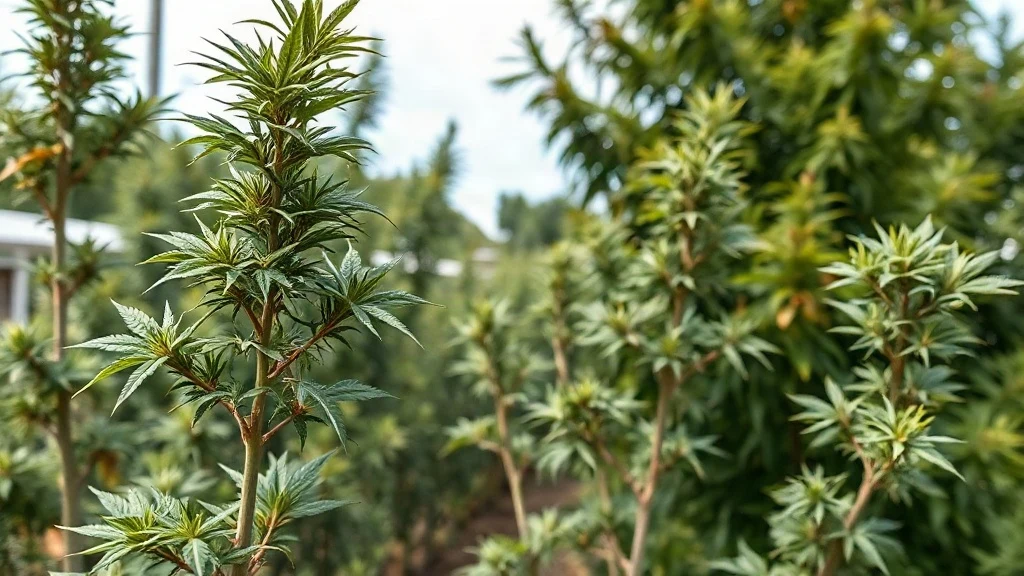
Planted in full sun (6+ hours daily), Shoal Creek Chaste Tree should produce abundant lavender-blue to violet-blue flower panicles from late spring through early fall, typically May through September. The cultivar is noted for larger flower panicles than the species, so you'll see substantial bloom clusters. Foliage should be full and dense, with gray-green palmately compound leaves (5 to 7 leaflets each) covering the structure completely.
Growth rate should be roughly 2 to 3 feet per year until the plant reaches its mature size of 10 to 15 feet tall and wide. The plant's form should be naturally full without requiring extra effort.
In part shade, blooming is reduced. Foliage thins. Form becomes leggy. The plant will still survive and won't look obviously sick, but it will underperform. For more details on caring for your established plant, see the complete growing guide.
Quick Reference: Sun Requirement Checklist
| Measurement | Assessment Question | Target / Acceptable |
|---|---|---|
| Direct sun hours per day | How many hours of direct sunlight does the site receive? | 6+ hours (minimum) |
| Sun direction | Which direction does the site face? | South, east, or west all work; avoid north-facing |
| Afternoon sun | Does the site get afternoon sun (noon to 5 p.m.)? | Yes, afternoon sun is most important |
| Shade from trees | Will nearby trees shade the site as they grow? | No; plan for long-term sun exposure |
| Heat tolerance | Is the site hot and reflected-light heavy? | Yes, Shoal Creek Chaste Tree tolerates heat well |
| Seasonal change | Measure sun hours in the season you'll be growing most? | Measure during late spring/summer for accurate blooming forecast |